

Reach out to us
For booking, sales inquiries or travel insurance call us on
Call Us:
+254 707 459 828
Subscribe for updates & promotions
Get the latest insights and inspiration from us.
30th April - 4th May 2026 | 5 Days, 4 Nights
This isn't a convoy through wilderness.
This is a pilgrimage to the places that shaped us.
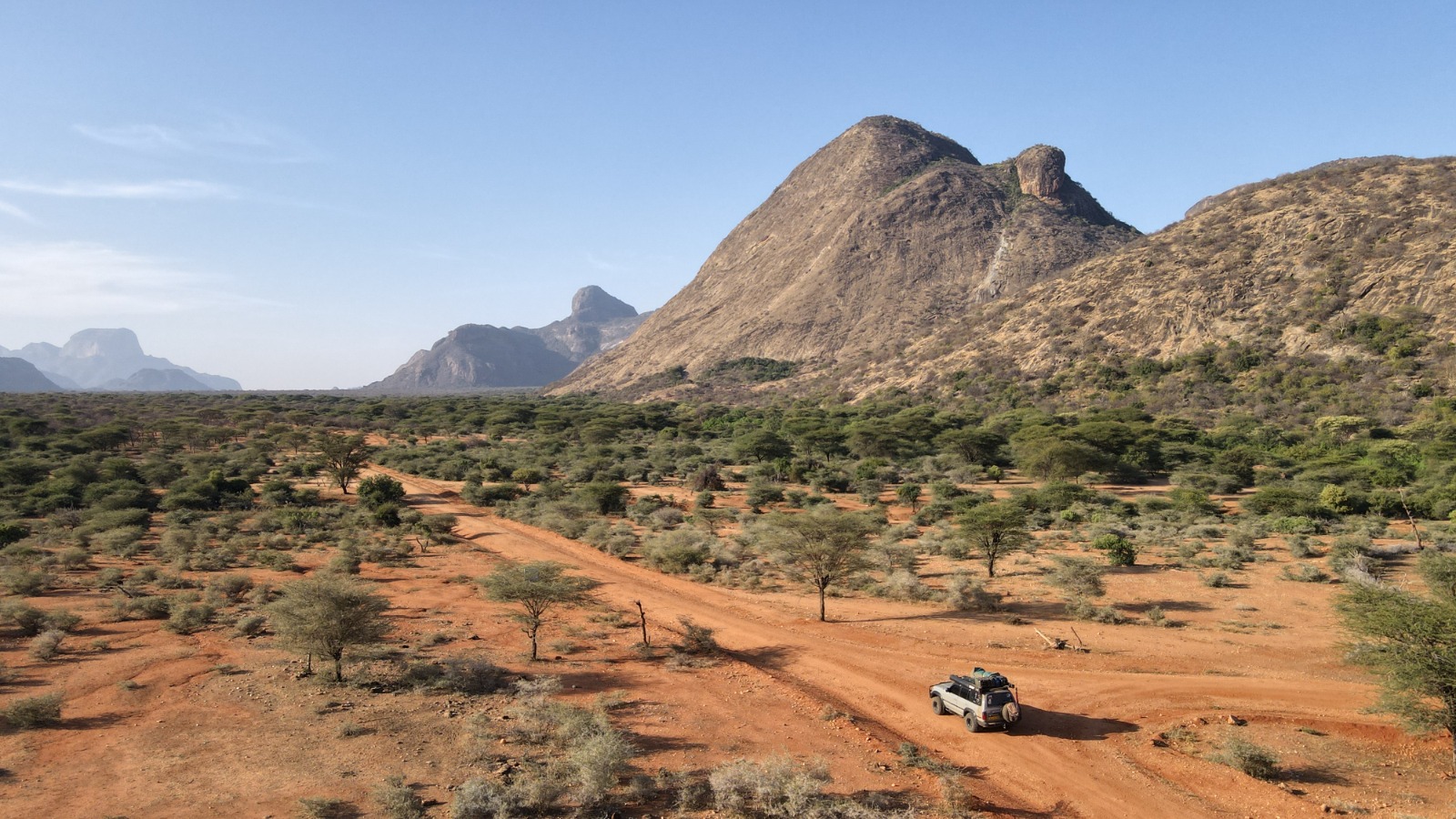
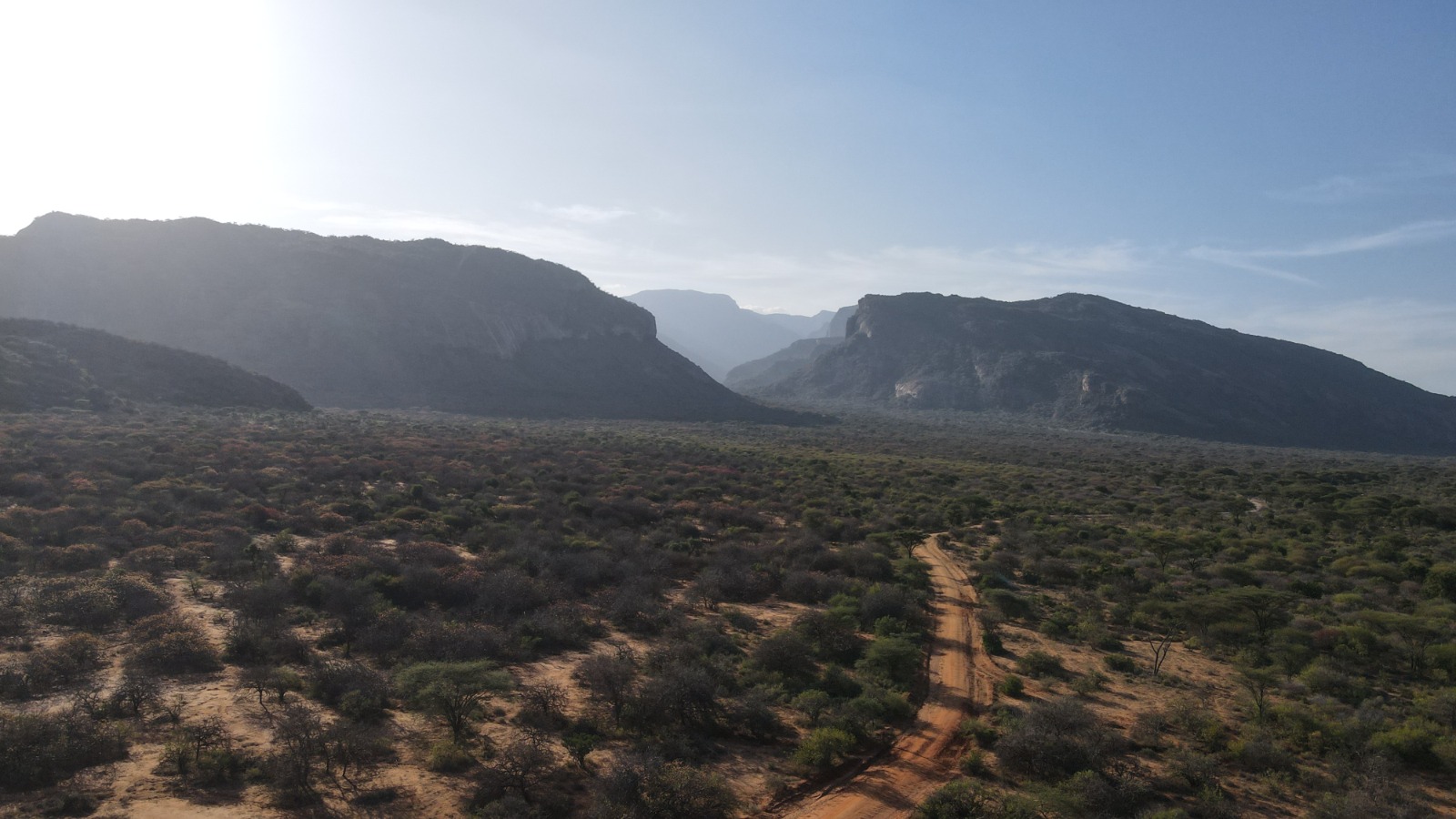
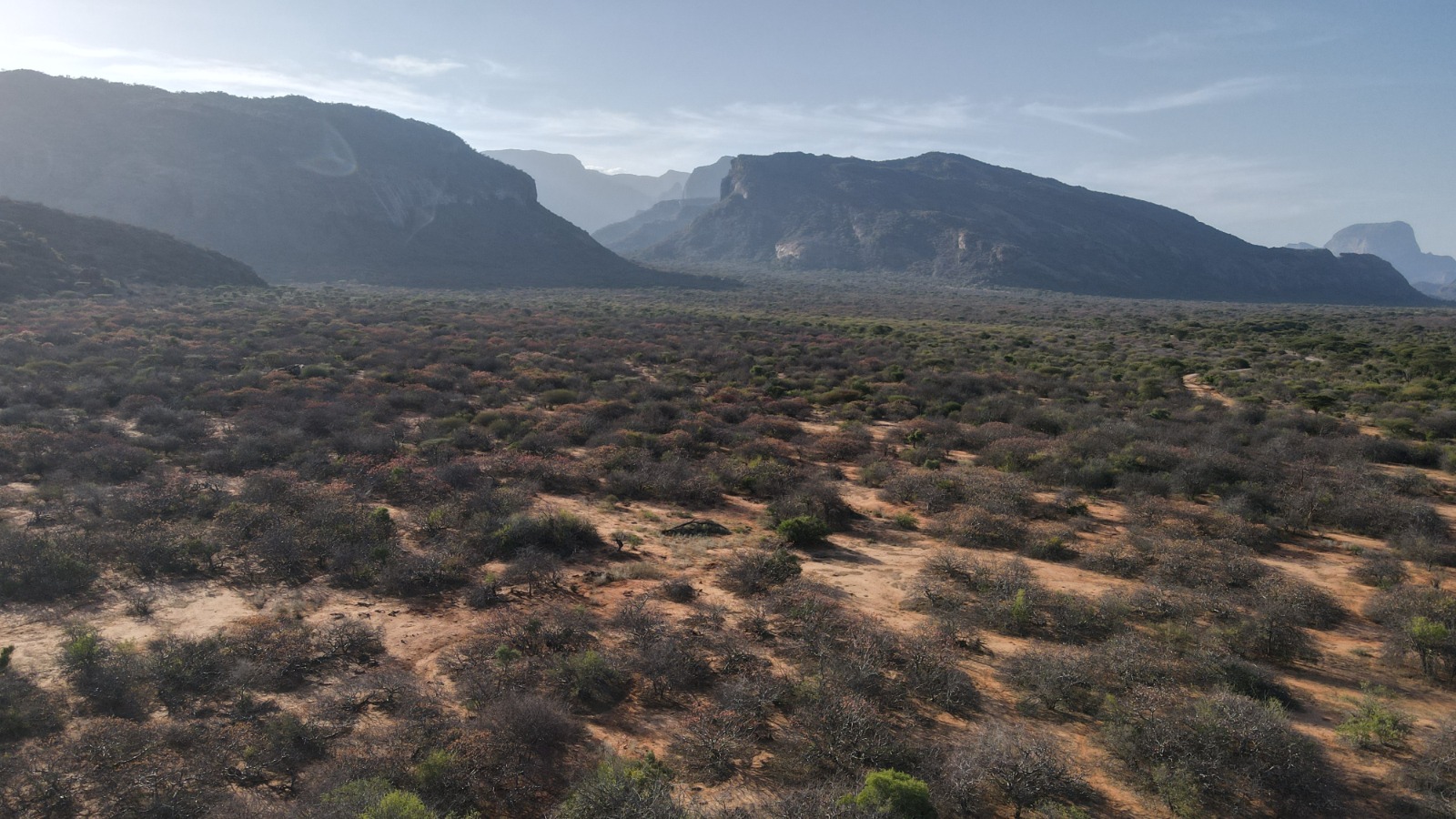
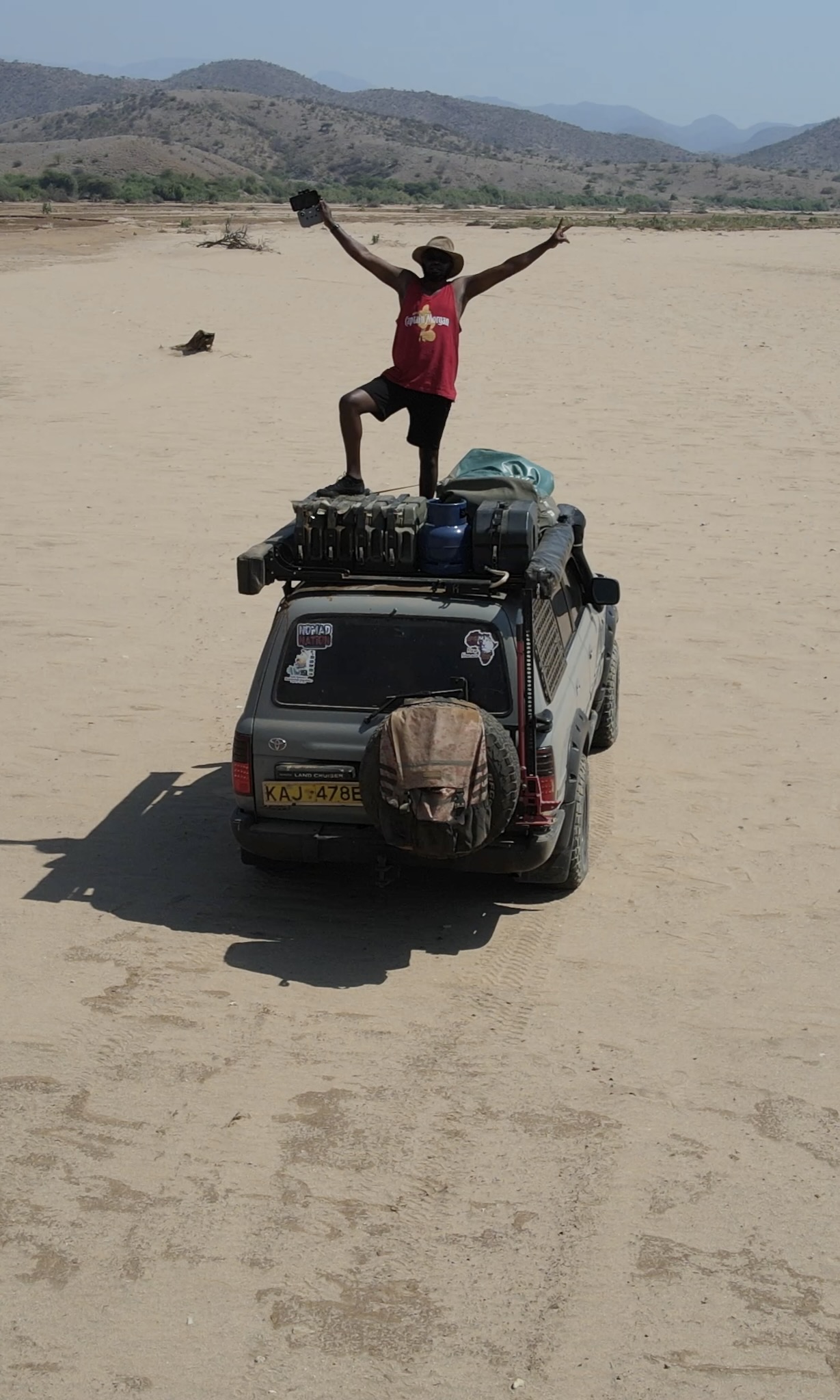
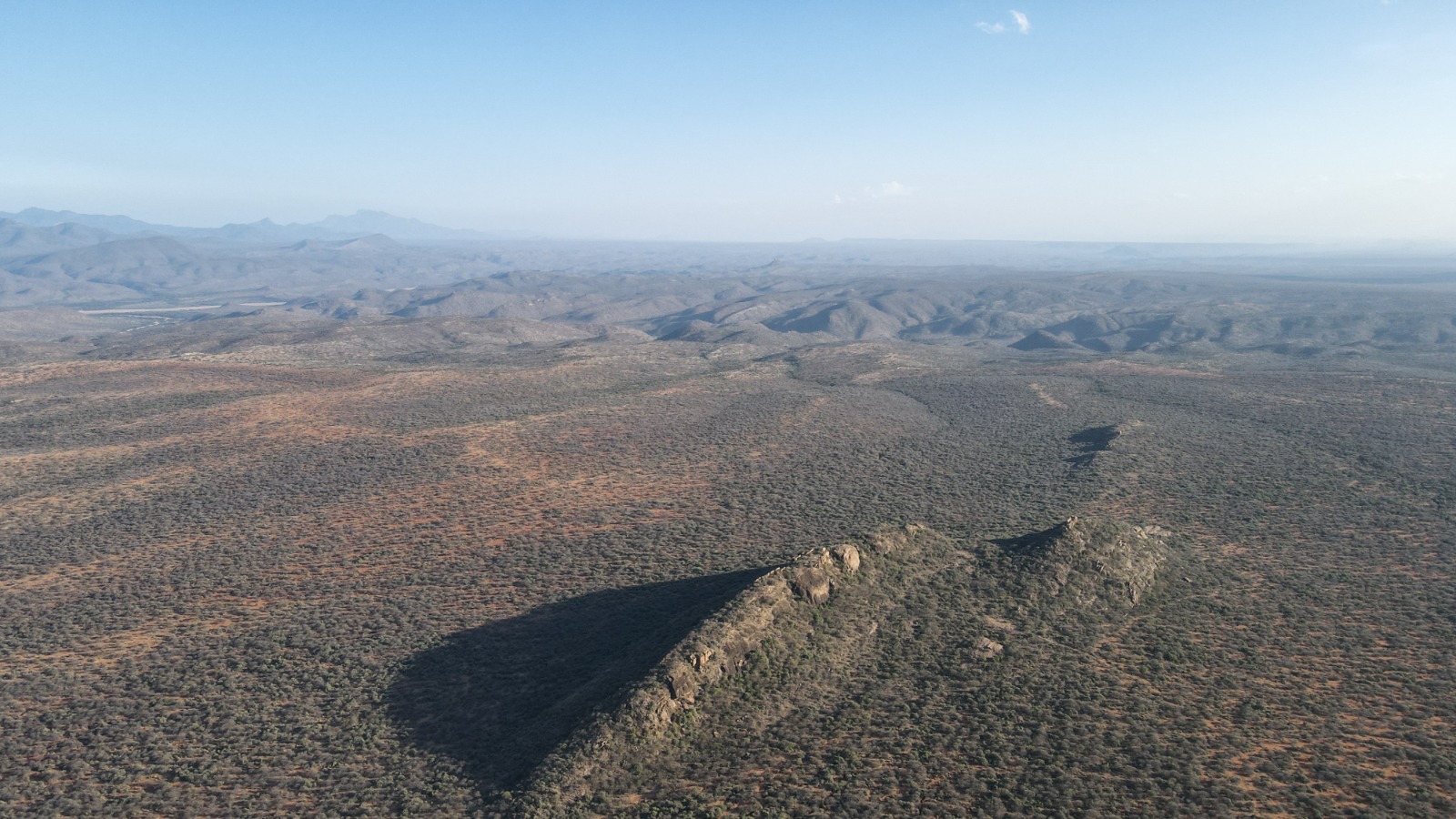
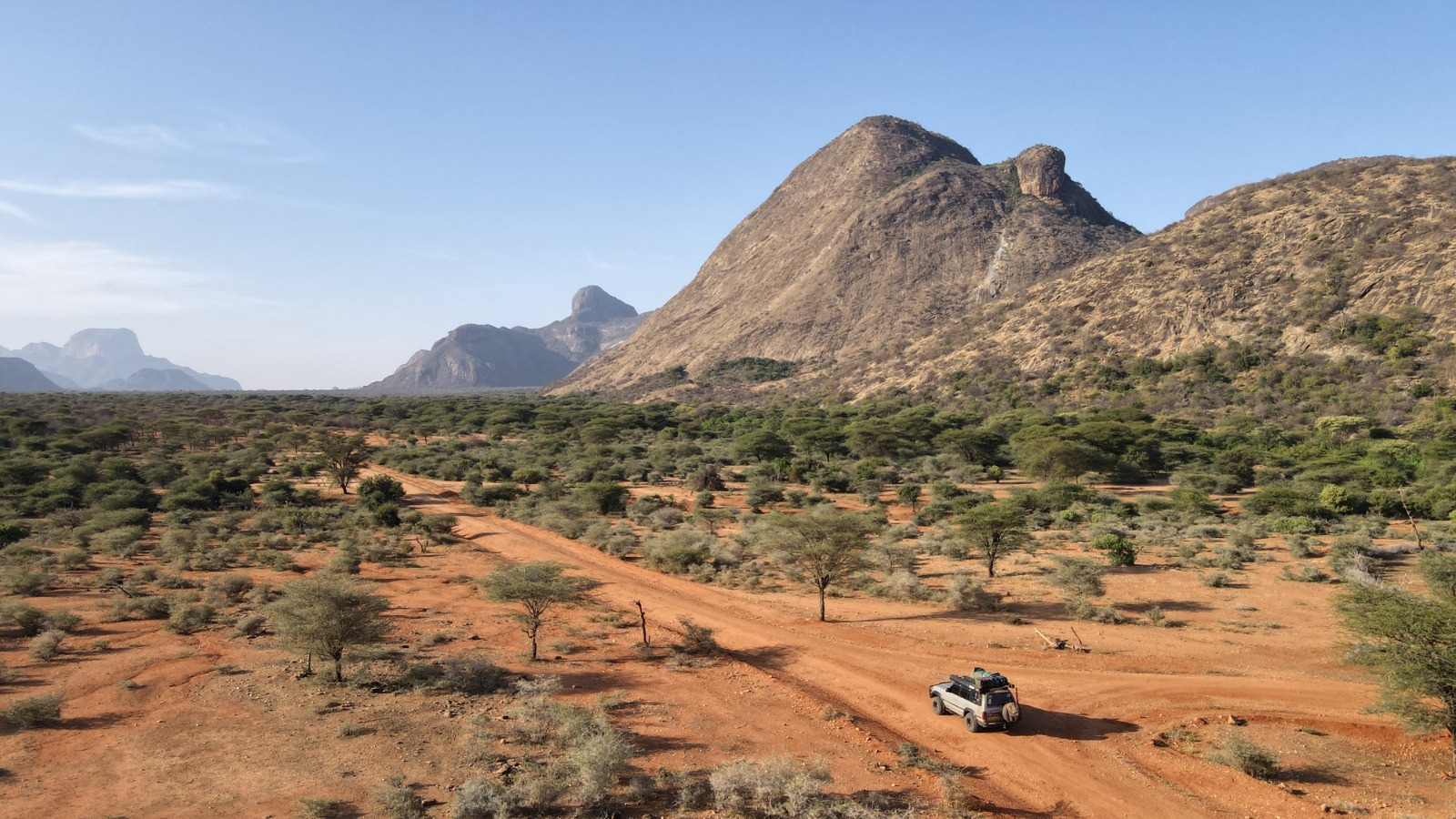
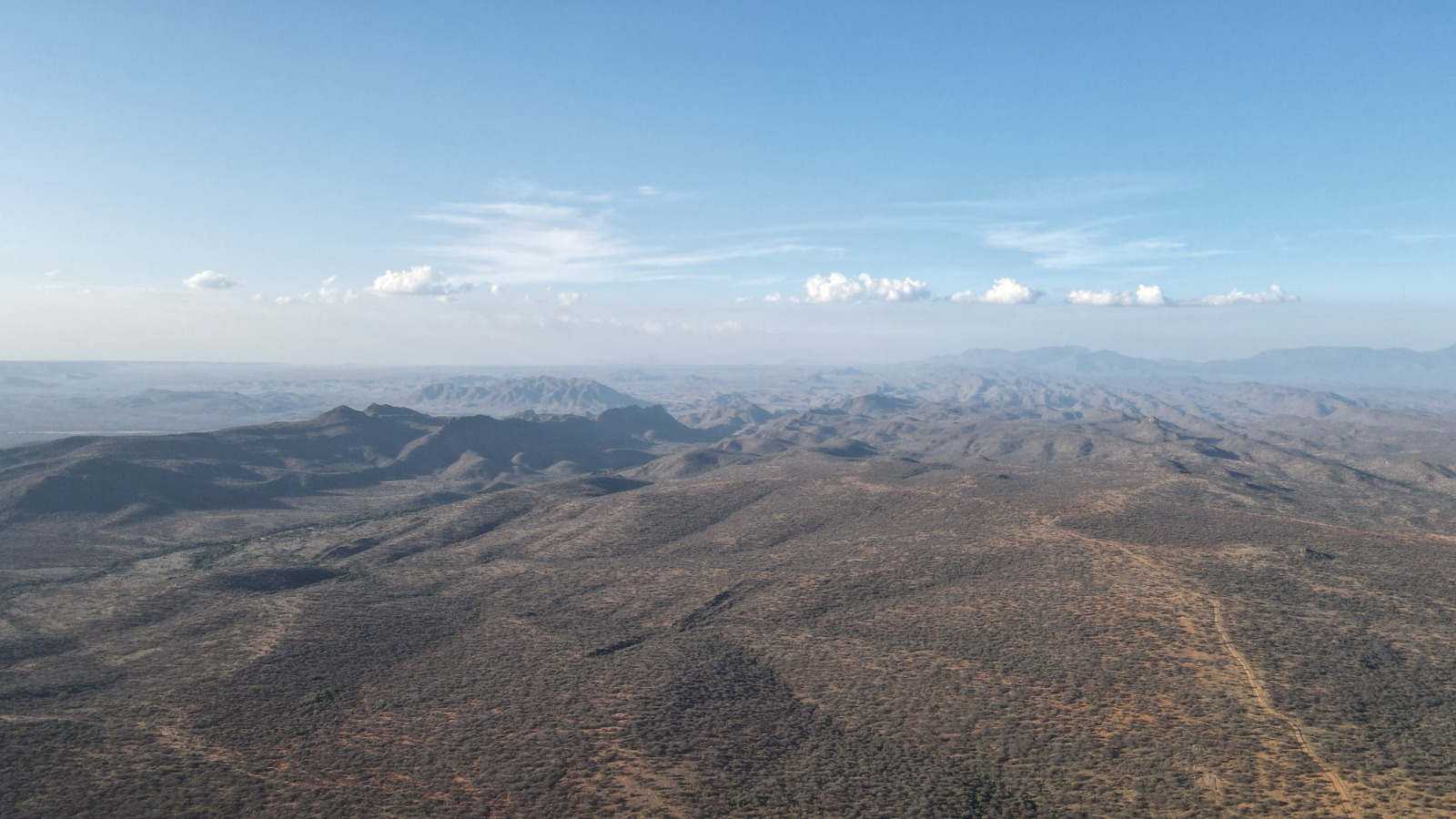
Mountains Expedition II returns to the Milgis Lugga—not as spectators, but as participants in one of Kenya's most dramatic landscapes. This is where the Ndoto Mountains drain into sand rivers that flow underground. Where Samburu warriors have survived for centuries by reading signs we'll never fully understand. Where your vehicle becomes your lifeline and your convoy becomes your family. Driving roads that hadn't seen vehicles in five years. Through sand highways wide enough to land two Boeing 747s. Past granite cathedrals that pierce the sky. Into valleys where the only sound is wind carrying the songs of warriors watering their cattle.
The Route:
What You'll Experience:
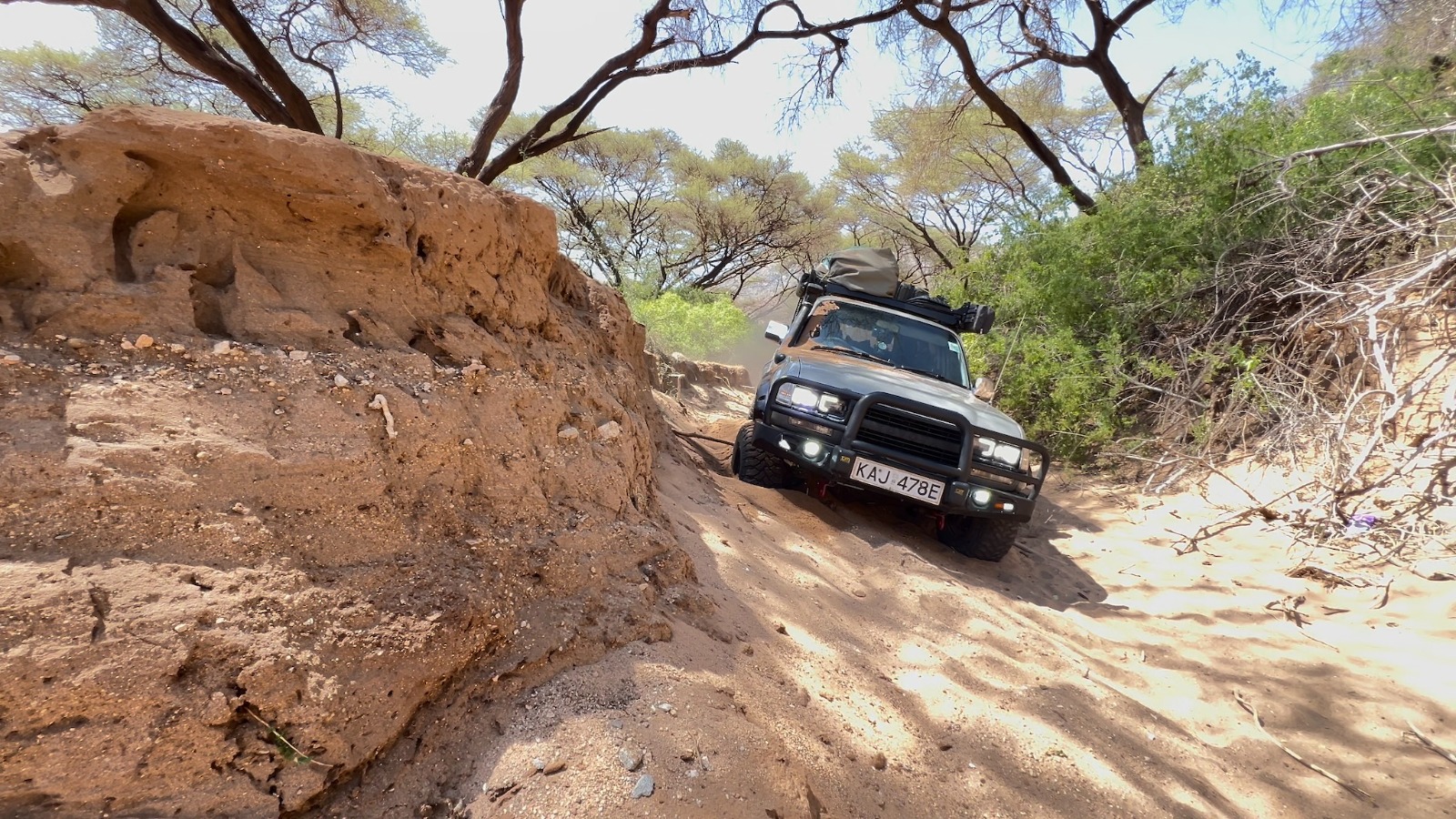
This expedition demands capability—both mechanical and mental. The Milgis forgives preparation but punishes assumption. You'll drive sections where the "road" disappeared years ago. Camp where the nearest help is measured in days, not hours. Navigate terrain that tests your vehicle's limits and reveals your own.
Critical Requirements:
Group Specifications:
What's Included:
What's Not Included:
This isn't geography—it's legend.
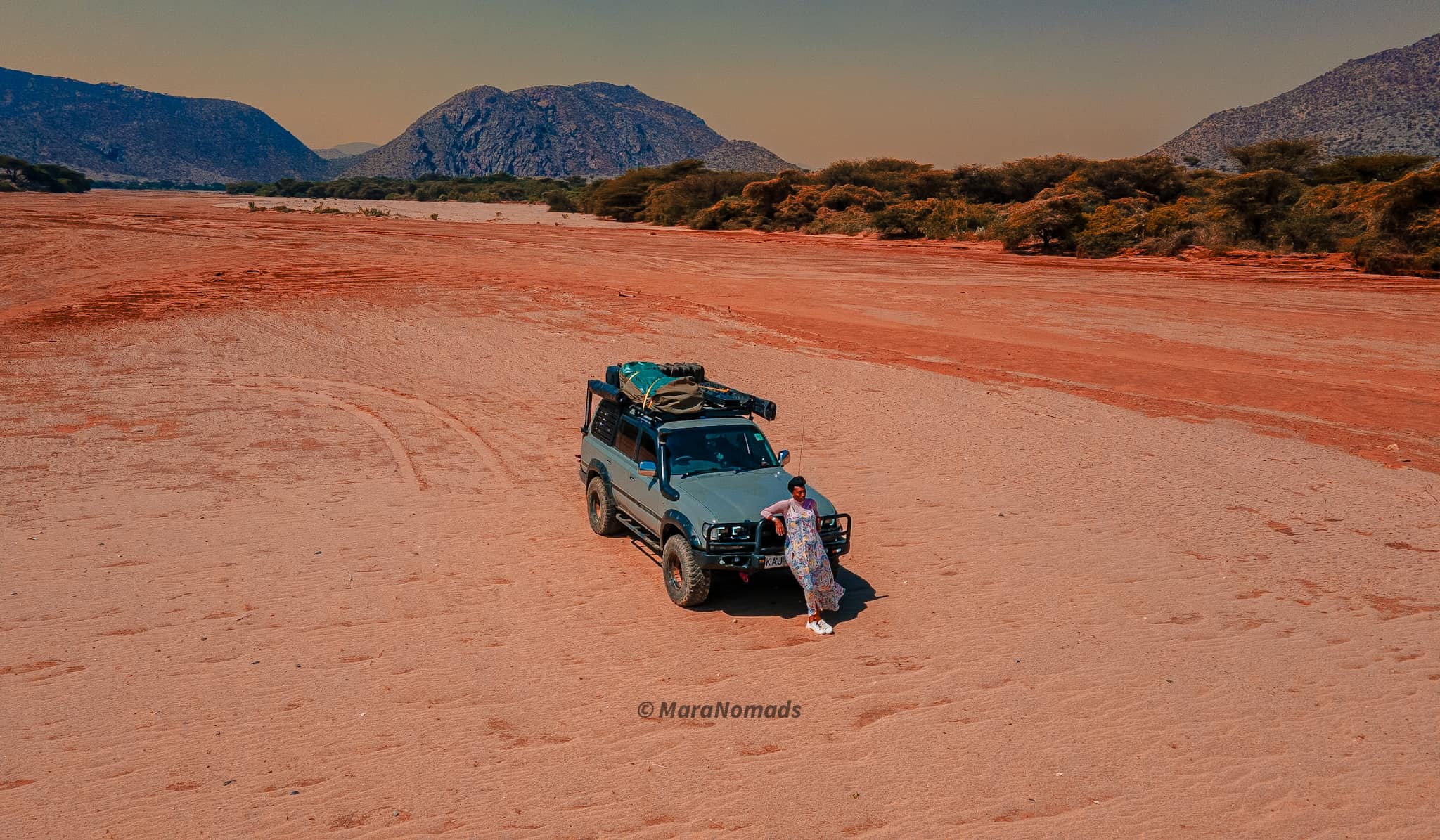
A seasonal river that flows underground most of the year, creating a massive sand highway through some of Kenya's most remote territory. The Samburu call it life. The elephants use it as their highway between mountain ranges. We call it humbling.
The Ndoto Mountains feed it. The Mathews Range guards it. And somewhere in between, you'll understand why we keep coming back.
Because February 2025taught us that some places demand to be shared. That the difference between solo exploration and community expedition isn't diminished impact—it's multiplied respect. That bringing people who are worthy of these landscapes creates guardians, not tourists.
This is Laser's territory, now rebuilt as Laser 2.0. This is where we learned that remote doesn't mean dangerous if you're prepared and respectful. This is where solitude revealed things that chaos obscures.
Now it's your turn.
In that order of 1 to 8.
Payment Structure:
This expedition requires:
This expedition is NOT suitable for:
Emergency Protocols:
But understand this: in the Milgis, you are fundamentally responsible for yourself. We provide framework, coordination, and community. You provide capability, preparation, and judgment.
Our FAQs below are brutally honest because the Milgis demands brutal honesty. This isn't a marketing exercise—it's informed consent. We want participants who read this and think "Finally, an expedition that doesn't bullshit me."
If that's you, we'll see you in the sand highways.
If it's not, there are plenty of easier adventures out there. No shame in that.
But for those ready to earn it—Mountains Expedition II is waiting.
The Milgis doesn't care about your Instagram. It cares if you're prepared.
Are you?
A: The Mountains II Expedition is hard, ecosystem fragile and the community relationships sacred. We're not running a commercial safari—we're bringing a carefully vetted group to a place that demands respect. Twenty-five vehicles is the maximum that maintains both environmental integrity and the quality of experience. This isn't artificial scarcity; it's intentional stewardship.
A: Most of our trips mix challenge with accessibility. Mountains II is pure challenge. If Desert Run II is graduate school, this is your dissertation defense. The terrain is harder, the isolation is deeper, and the consequences of poor preparation are more severe. But for those ready for it, it's transformative.
A: If your kids can handle days without showers, sleep in tents, wild camping, in complete darkness while hyenas vocalize nearby, and maintain positive attitude during vehicle recoveries in 35°C heat—yes. We've had 4-year-olds who were tougher than some adults. But be honest about their temperament and your family's comfort with genuine wilderness.
A: Irrelevant question. This isn't about kilometers—it's about terrain. Some days we might cover 80km in 6 hours through deep sand and rocky tracks. Other days, 150km on better routes. What matters is capability and endurance, not speedometer readings.
A: Minimum: Good tires (AT minimum, MT preferred), functional 4WD system, adequate ground clearance (200mm+), loop tow points front and rear Strongly Recommended: Lift (even 1.5 inches helps), traction boards, auxiliary fuel capacity, roof rack for gear storage Not Required But Helpful: Winch, upgraded suspension, dual batteries The vehicle inspection will assess your specific setup. We've seen bone-stock Land Cruisers complete this route and heavily modified vehicles fail. Capability matters more than accessories.
A: Absolutely not. You need to know your vehicle's limits, quirks, and sounds before you take it somewhere this remote. Run at least 1-3 easier expeditions first such as March 28 Alpha Expedition II. Learn how it behaves in sand, on rock, under load. The Milgis will find every weakness—better to discover them closer to civilization.
A: The group assists with recovery and basic repairs. But you need to carry: basic tools, spare belts/hoses, extra oil/fluids, tire repair kit, and knowledge of your vehicle. If it's catastrophic (broken axle, destroyed transmission), we'll get you to the nearest town, but extraction costs are on you. Any damage to vehicle recovering or towing you, will be on you also. This is why vehicle preparation isn't optional.
A: Because we're coordinating with local scouts, communities, and finalizing logistics based on confirmed numbers. After mid-March, cancellations cost us real money in non-recoverable commitments. Before March 15th, life happens—we get it. After that, your spot means we've turned others away and made financial commitments.
A: Route planning and reconnaissance, local scout coordination and fees, community access arrangements, emergency communication infrastructure, navigation and briefing materials, post-expedition debrief, and organizational overhead. It does NOT cover your personal costs: fuel, food, gear, vehicle prep, or personal equipment.
A: Because this isn't a commercial safari. You're not a client being serviced—you're a participant cost-sharing. No luxury lodges, no chef, no guide doing everything for you. This is peer-to-peer adventure with professional coordination. If you want to be pampered, spend KES 150,000+ on a luxury tour. If you want to earn your experience, spend KES 10,000 here.
A: Immediately if you're serious. Mountains II will fill faster than previous expeditions because of FOMO. First-come-first-served once you pass vetting. We expect to cap within 2-3 weeks of announcement.
A: Technical training (sand driving, recovery techniques, vehicle preparation), route details and daily expectations, safety protocols and emergency procedures, community interaction guidelines, gear checklist review, and team building. Non-attendance = non-participation. No exceptions.
A. Anytime between now and 7 days before departure. Specific date/location TBA to confirmed participants. We check: tire condition, recovery points, fluid levels, spare tire, lights/electrical, suspension/steering, brakes, and overall mechanical soundness. Failures must be corrected before departure.
A: You fix it or you don't go. We're not being harsh—we're being responsible. A breakdown in the Milgis affects everyone. If your vehicle isn't ready, neither are you. Deposit refund policy applies based on timing.
A: Highly recommended. Join any of our earlier 2026 expeditions (Hearts & Horizons, Desert Run II) to test your setup and build skills. Or run your own practice trips. Show up to Mountains II with proven capability, not theoretical preparation.
A: Nothing in wilderness is "safe" in the suburban definition. But it's managed risk. We work with experienced scouts. We have emergency protocols. We run capable groups. Statistically, you're more at risk during your highway drive to the starting point than during the expedition itself. But yes—this is real adventure with real stakes.
PLEASE NOTE: ✅ Our itineraries are to be used as a guide only. They may vary from day to day depending on road and weather conditions, political situations and The Mara Nomads’ decisions. ✅ All prices, charges, costs, and fees mentioned to participants may change, and The Mara Nomads has no control over them. ✅ Time shall be of the essence in this trip due to the remoteness of the destinations and safety, also to give us ample time to deal with any emergency and to be able to arrive on time at our stopovers. Any late person shall be left behind. ✅ The Mara Nomads terms and conditions [here: https://www.maranomads.com/terms-of-service] shall apply, as well as our privacy policy. ✅ Please ensure you’ve gone through all the information we have provided here and on the exclusive Mountains II WhatsApp group. ✅ 🚨Please note that our Terms and Conditions, and Cancellation and Refund Policy apply. See FAQ above, and https://www.maranomads.com/terms-of-service.
A: Email: travel@maranomads.com with subject line "MOUNTAINS II - [Your Name]" Include: vehicle details (make/model/year/modifications), off-road experience summary, why you want this specific expedition We respond within 48 hours with next steps If approved, deposit instructions follow Confirmation = you're in Or call/WhatsApp: +254 703 626 897 +254 794 897 226 Do it now. Not later. This will fill fast.
A: At minimum, each vehicle must carry: Traction boards or Sand ladders (Maxtrax or equivalent—(optional not mandatory) Hi-lift jack or similar (optional not mandatory) Shovel (important) Tow strap (rated - mandatory) Tire deflator and compressor (important) Basic tool kit (mandatory) Full size spare tire (in good condition, mandatory) The group shares winches, more specialized equipment, and expertise. But you need self-recovery basics.
A: Certain sections. The Milgis region has multiple routes. Some are used by local communities regularly. Others were abandoned after floods washed them out or created better alternative paths. When we say "creating the track as we go," we mean following a theoretical route where physical evidence has disappeared. It's not literal bushwhacking, but it's not a defined road either.
A: Everyone struggles with different things. The deep sand tests patience and technique. The rocky descents test nerve. The isolation tests mindset. But if forced to answer: the Milgis Lugga sand driving, steep river banks, washed away sections. It's relentless, hot, and mistakes compound quickly. You'll earn your skills there.
A: This is elephant corridor territory. Also: lions, hyenas, leopards. But honestly, wildlife is less of a risk than vehicle incidents or dehydration. Basic safari wisdom applies: don't leave food accessible, don't approach wildlife, stay aware of surroundings. Hyenas are vocal at night but generally avoid humans.
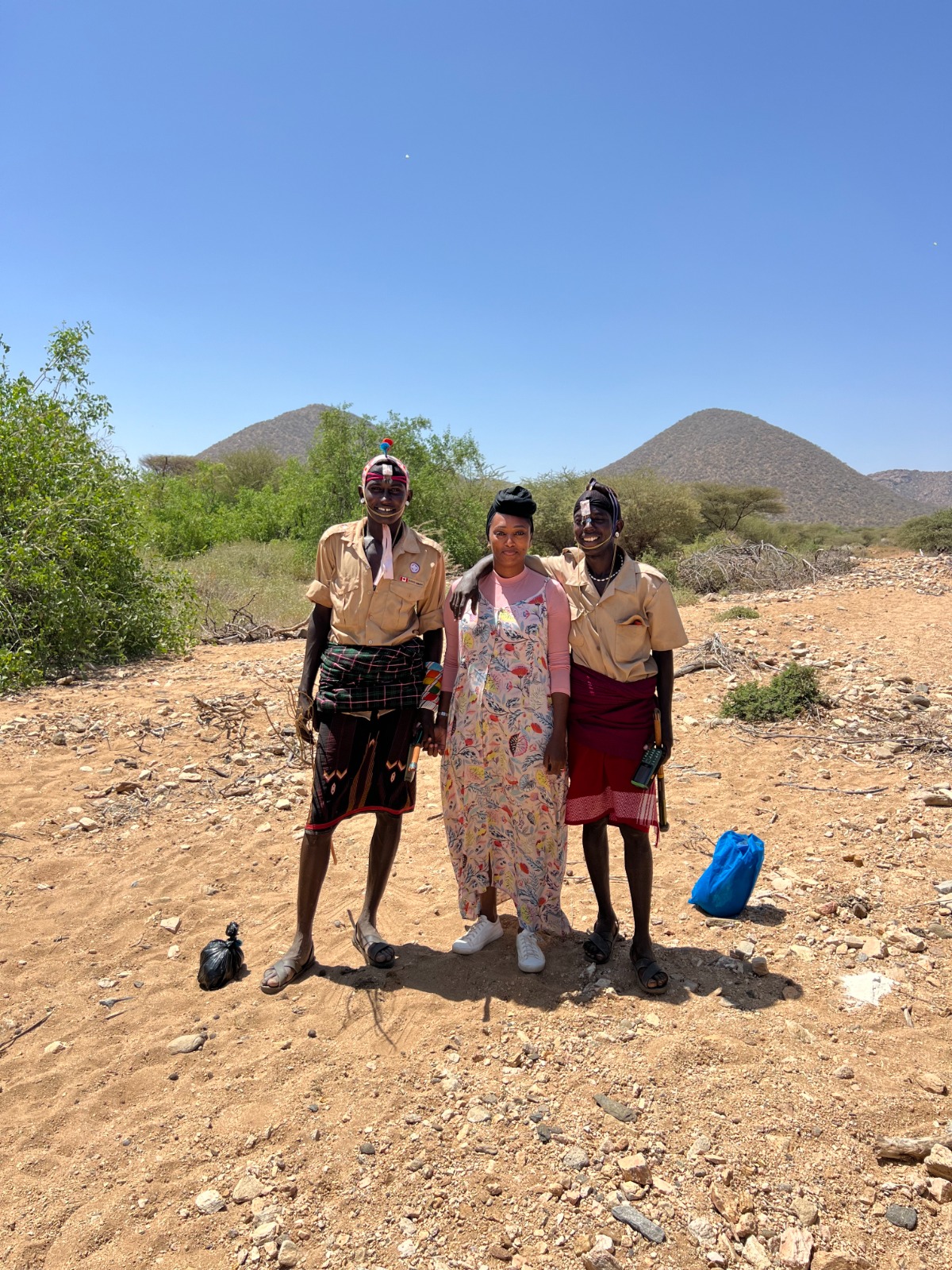
A: The Samburu and Rendille communities in this region are herders who've survived here for centuries. They're incredibly hospitable, and we work with local scouts who facilitate respectful interaction. Theft is not a significant concern. What matters is respect: ask before photographing people, don't drive through livestock, greet elders properly. Our scouts will guide this.
A: Wild camping. No facilities. No showers. No toilets beyond what you dig. You pitch your tent on ground you clear of stones and thorns. You cook your own food. You manage your own waste (pack it out or bury it properly). If this sounds uncomfortable, this expedition isn't for you. There are no lodges in the Milgis. The nearest accommodation is days away. Everyone camps. This is non-negotiable and part of what makes this expedition what it is.
A: We carry group medical kit and have emergency evacuation protocols via satellite communication. Nearest medical facilities are significant distance away. Serious emergencies might require helicopter evacuation (your insurance/cost). This is why pre-existing conditions need to be disclosed and why personal insurance is mandatory.
A: Active participation. No spectators. If someone's stuck, you help recover. If there's a camp task, you contribute. If someone shares knowledge, you pay attention.
A: Neither are most participants. What matters: willingness to learn, ability to follow instructions under pressure, physical capability to dig/push/recover when needed, and mental resilience when things get hard. We've had accountants, teachers, and office workers complete harder expeditions than some "expert" overlanders. Attitude trumps resume.
A: Both. During the day, when we're navigating challenging terrain, it's focused and serious. Safety and capability matter. Around the campfire at night, it's social, storytelling, and often hilarious. We work hard and celebrate hard. If you need constant entertainment or can't handle intensity, it's not your trip.
A: Registration fee is KES 10,000 per person. You're responsible for your own operational costs. MANDATORY EXPEDITION COSTS: Camping Fees (Paid to Mara Nomads): Day 1: KES 1,300 per person Day 2: KES 500 per person + KES 500 community conservancy fee Day 3: KES 500 per person + KES 500 community conservancy fee Day 4: KES 1,200 per person Total camping: KES 4,500 per person. Kids above 4 years, pay half that amount TOTAL AMOUNT PAYABLE: Kes 14,500 per person
