

Reach out to us
For booking, sales inquiries or travel insurance call us on
Call Us:
+254 707 459 828
Subscribe for updates & promotions
Get the latest insights and inspiration from us.
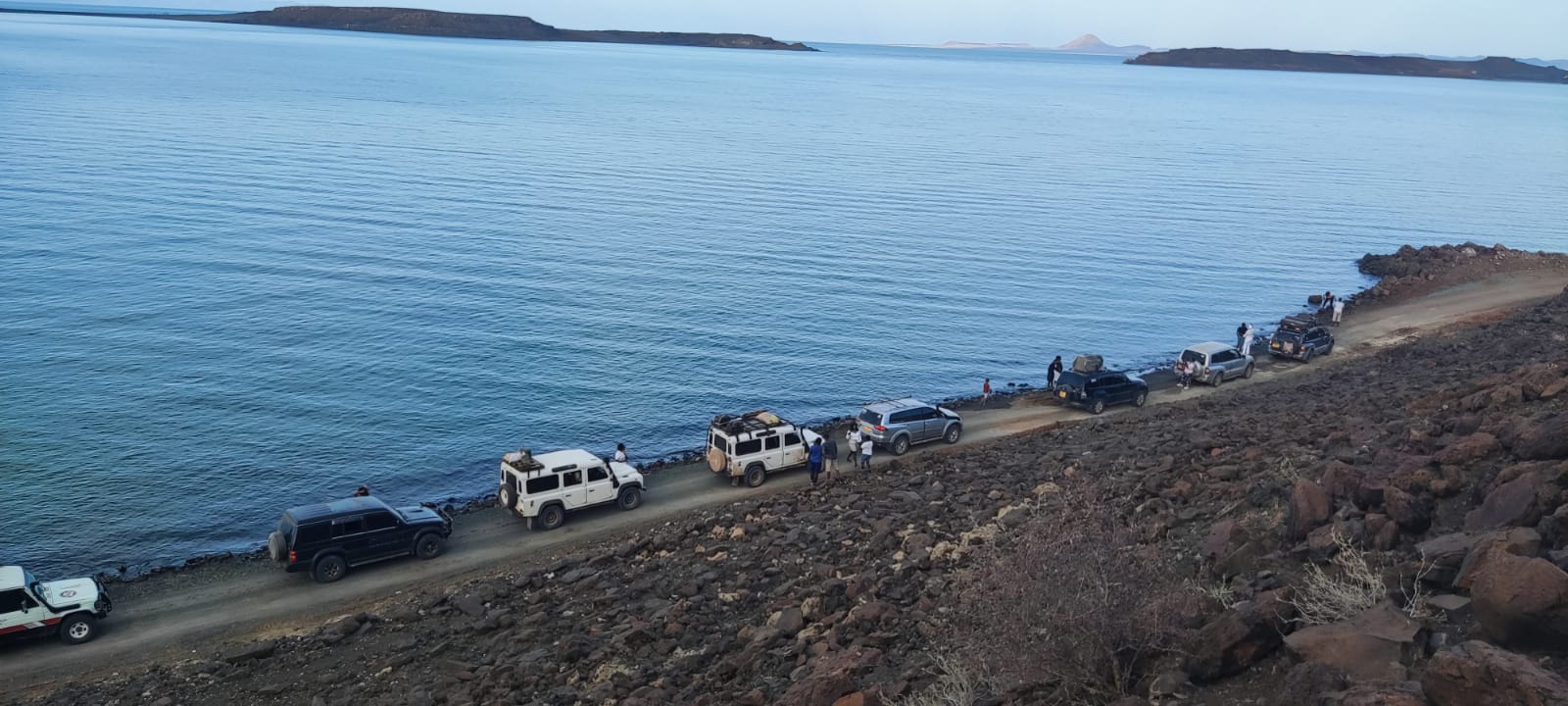
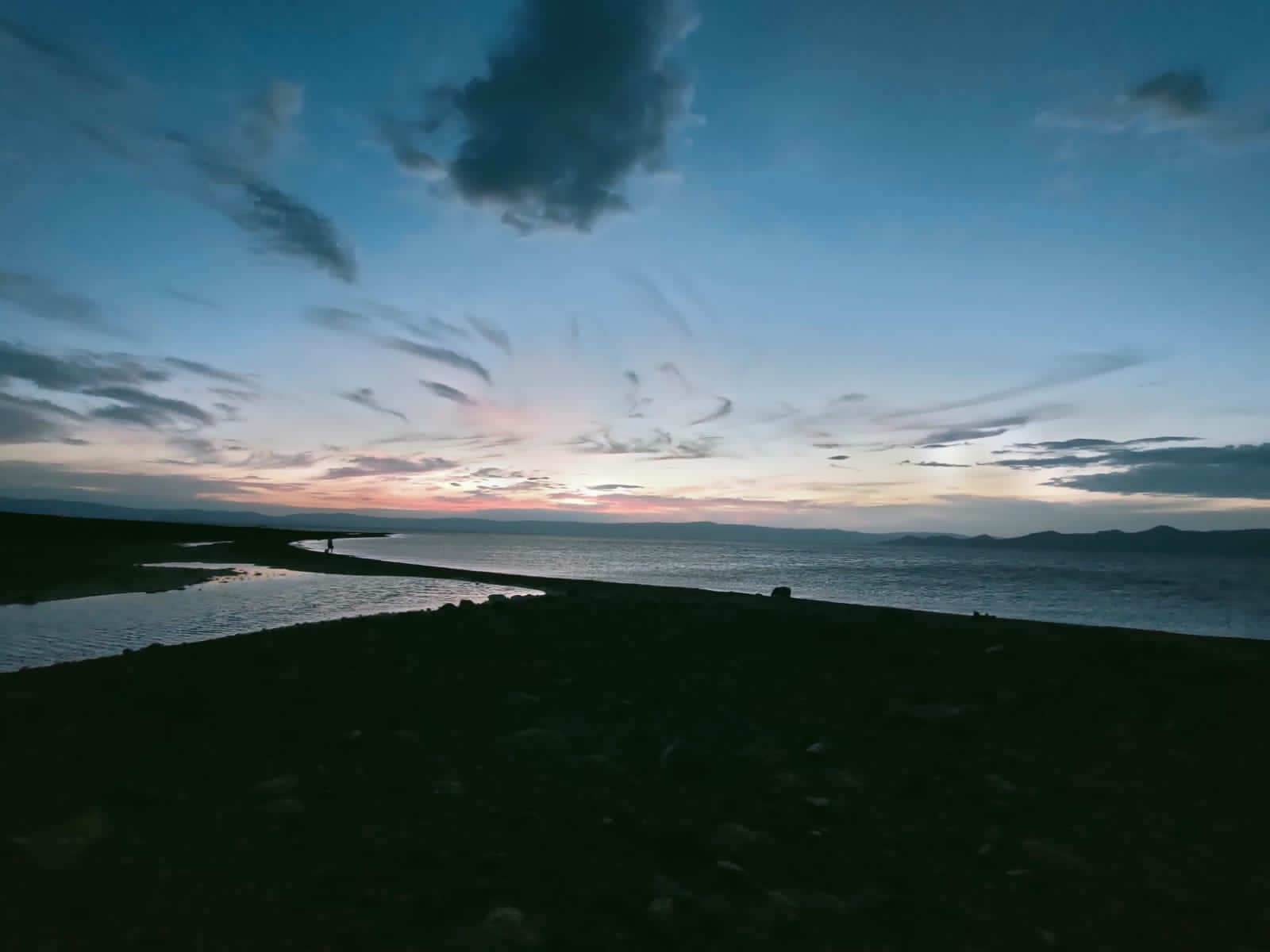
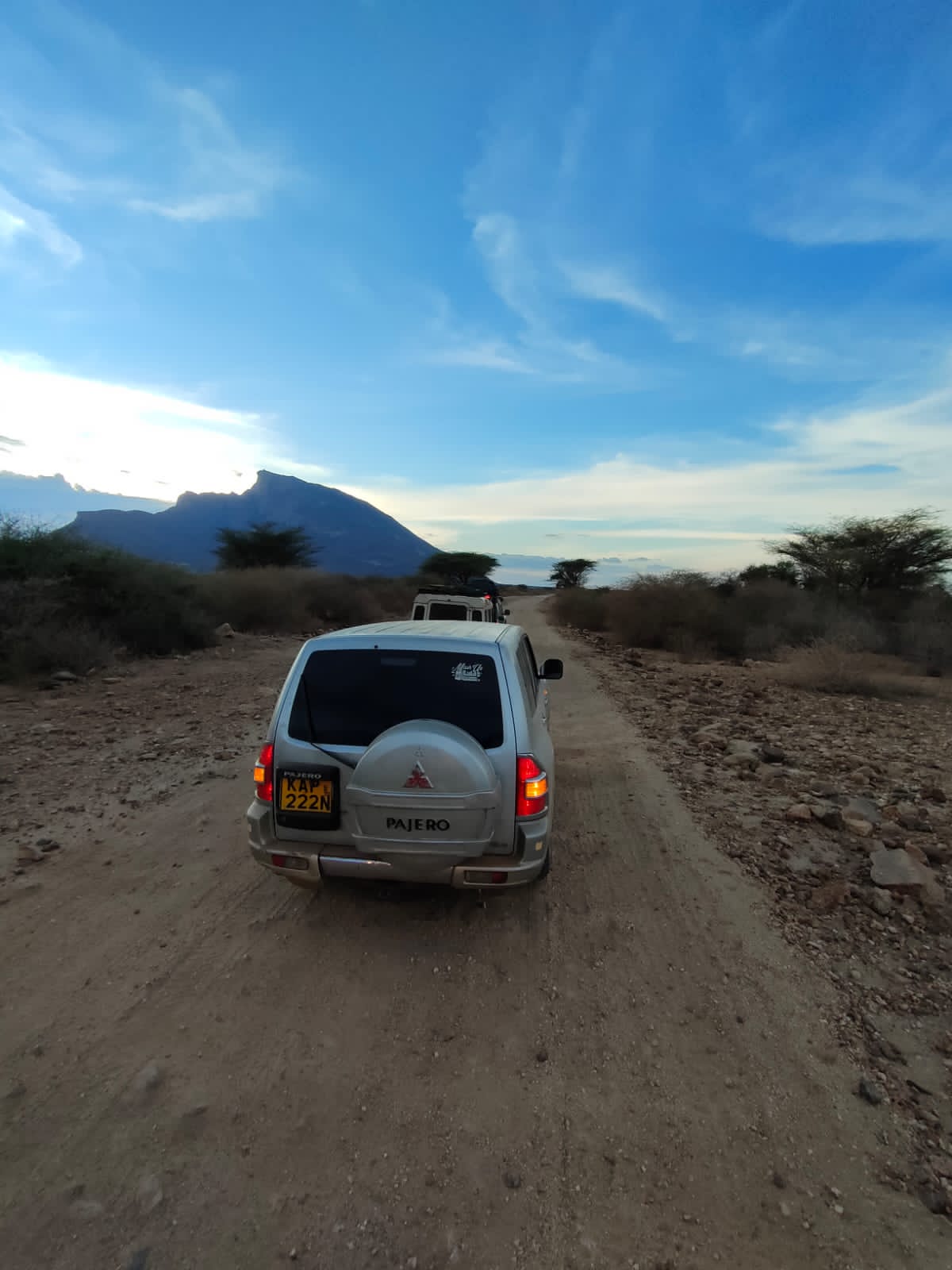
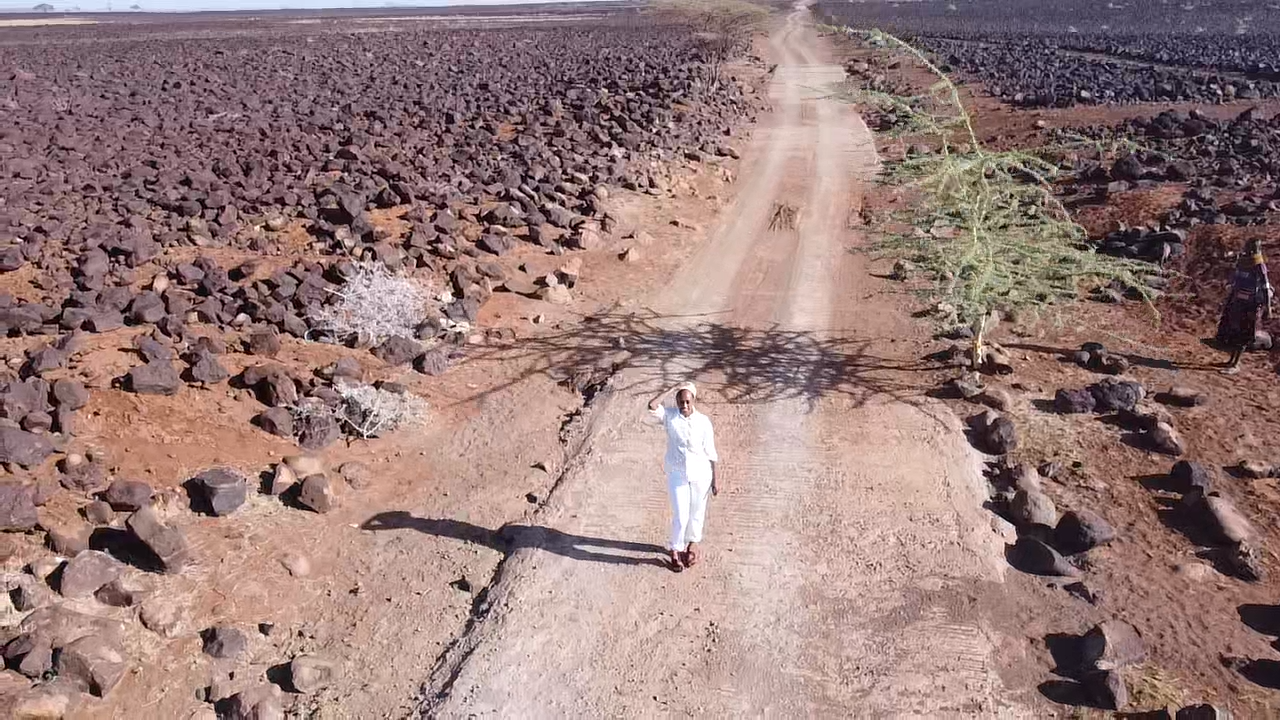
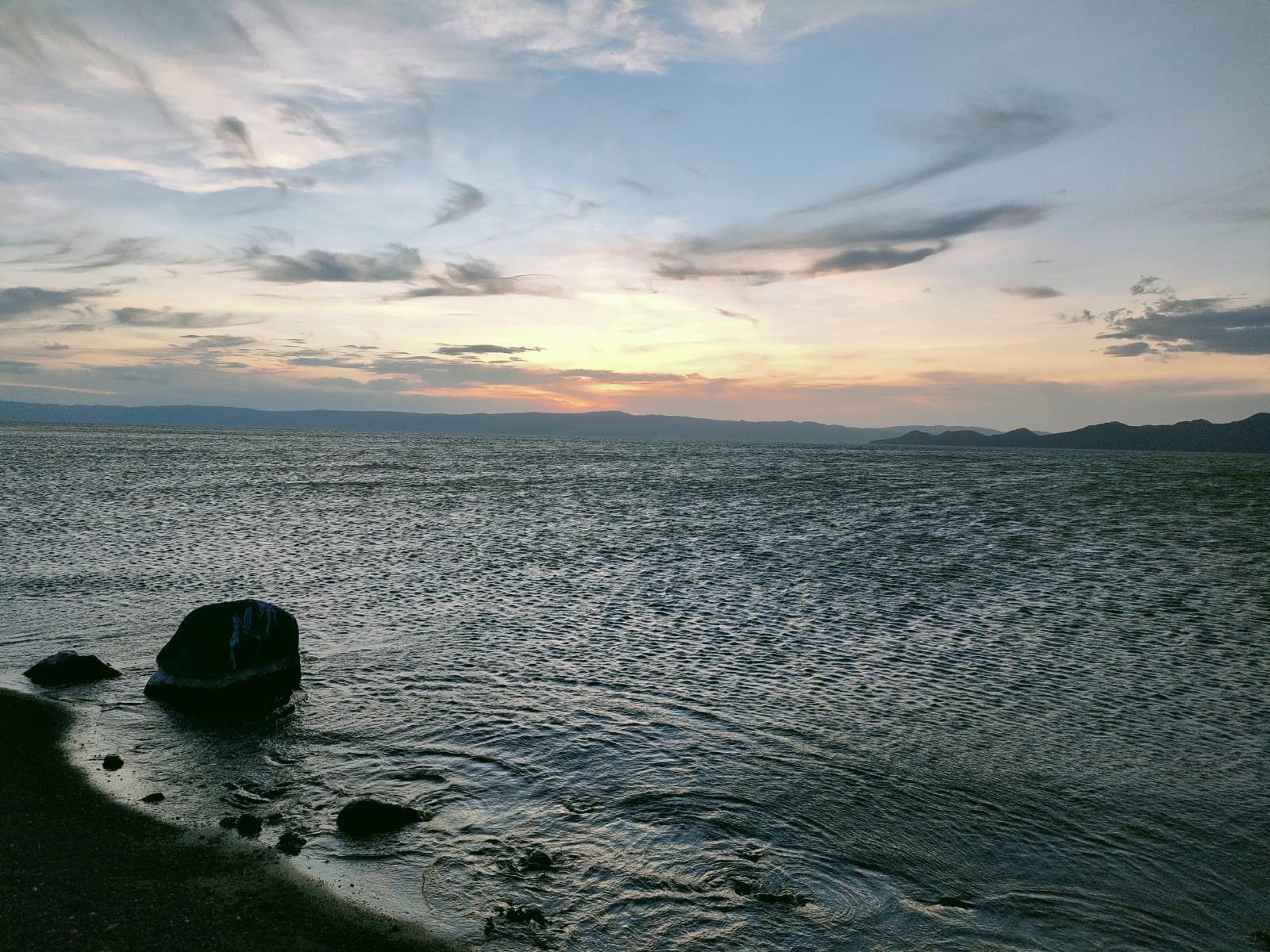
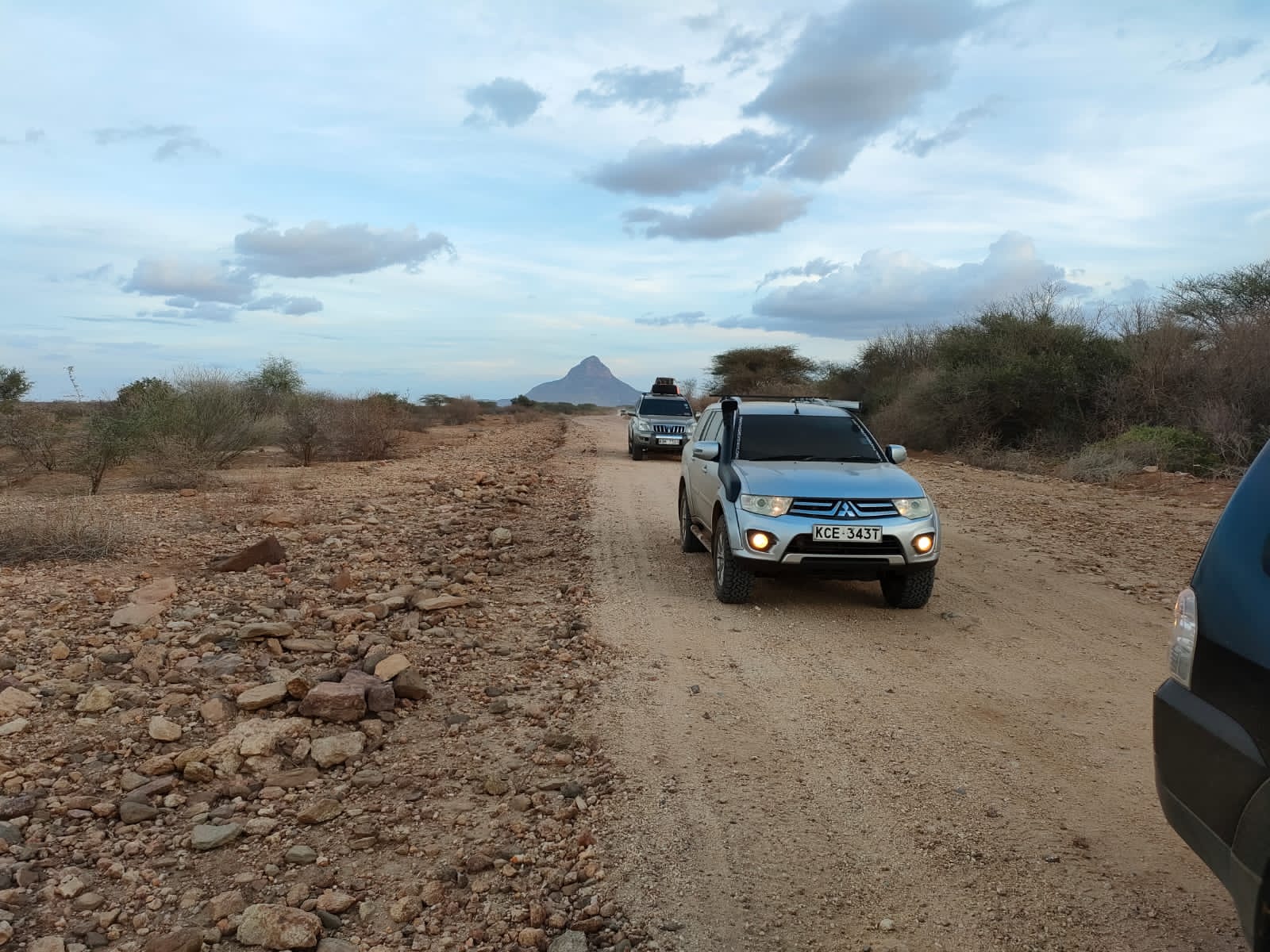
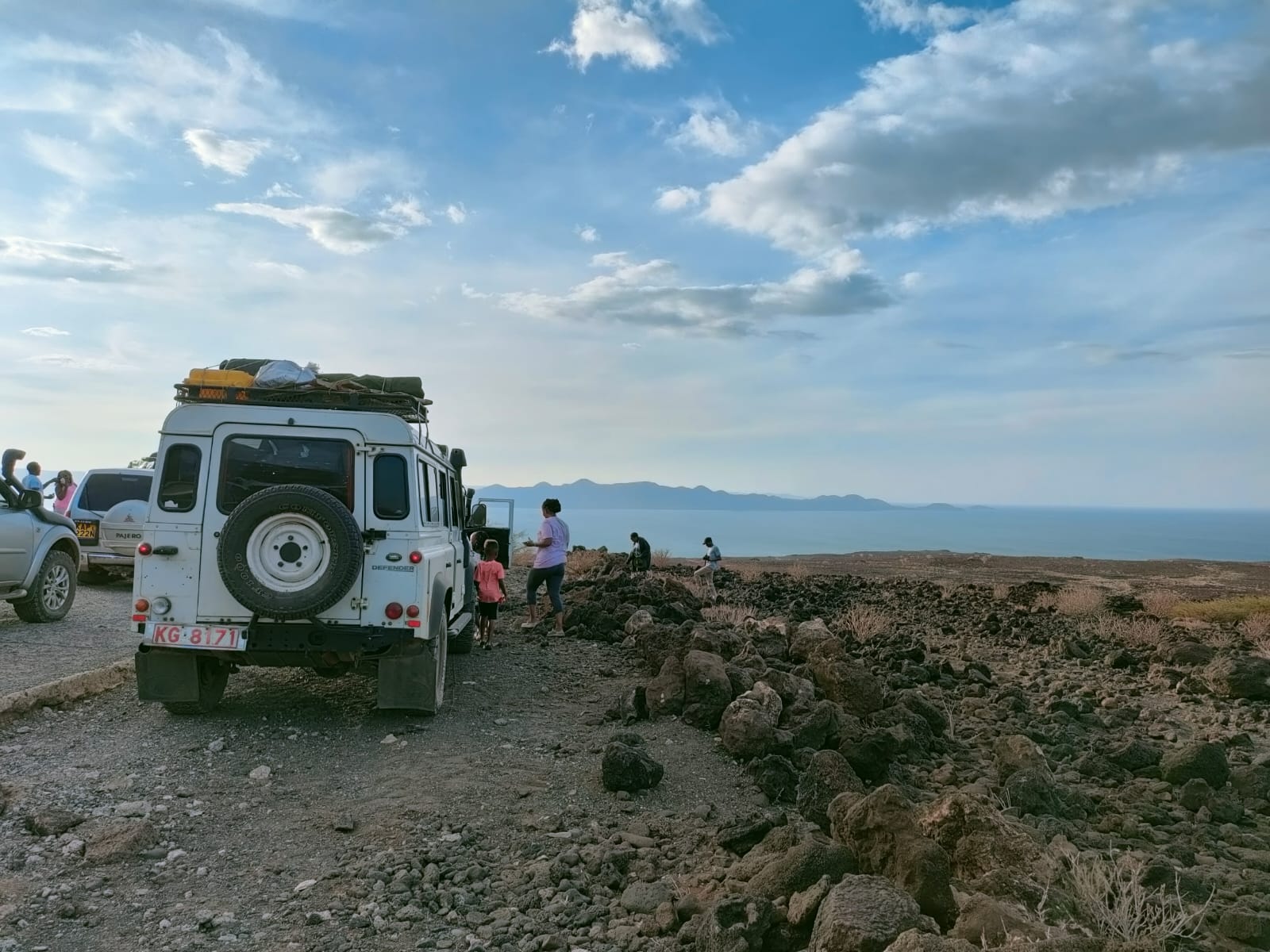
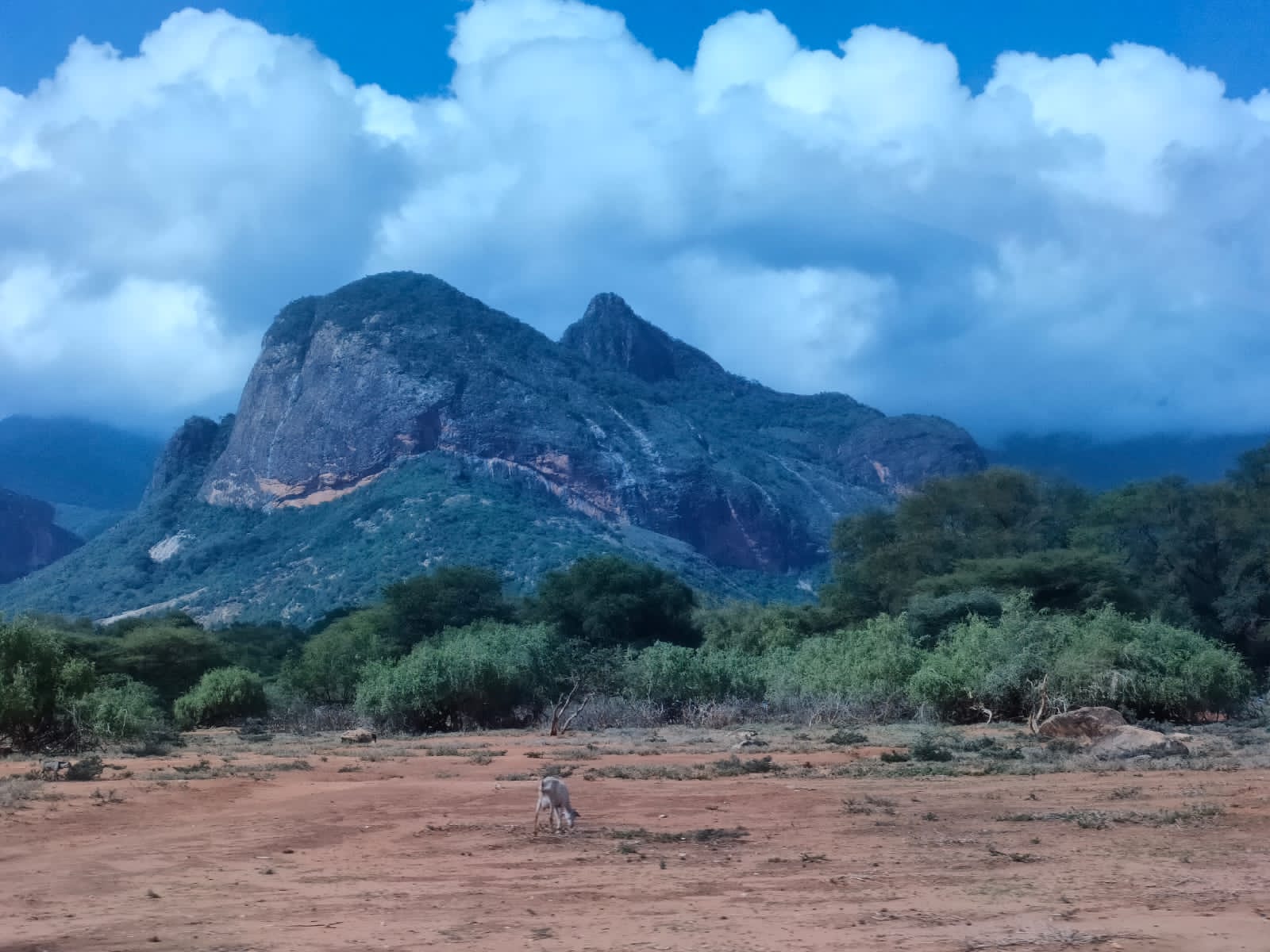
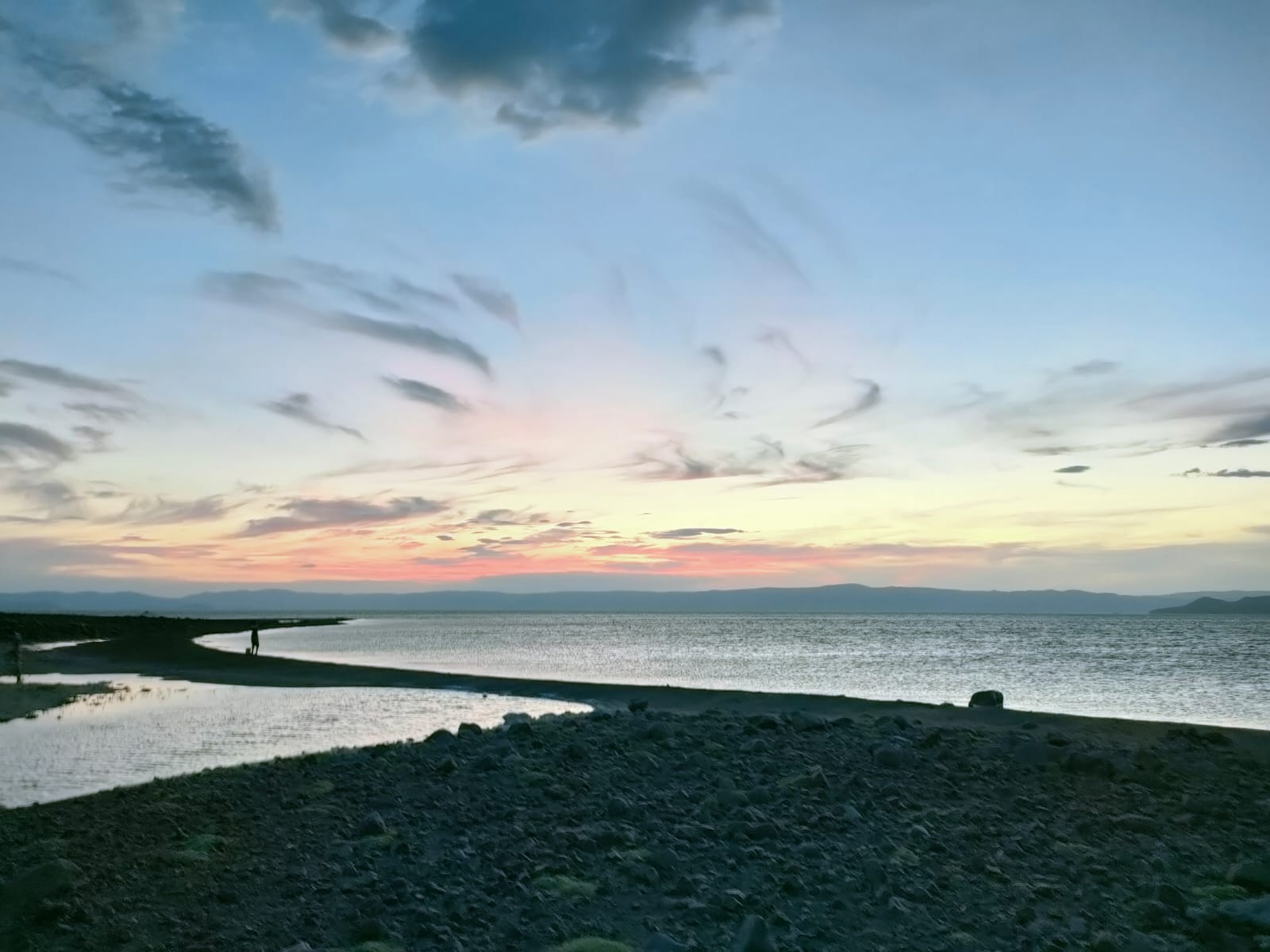
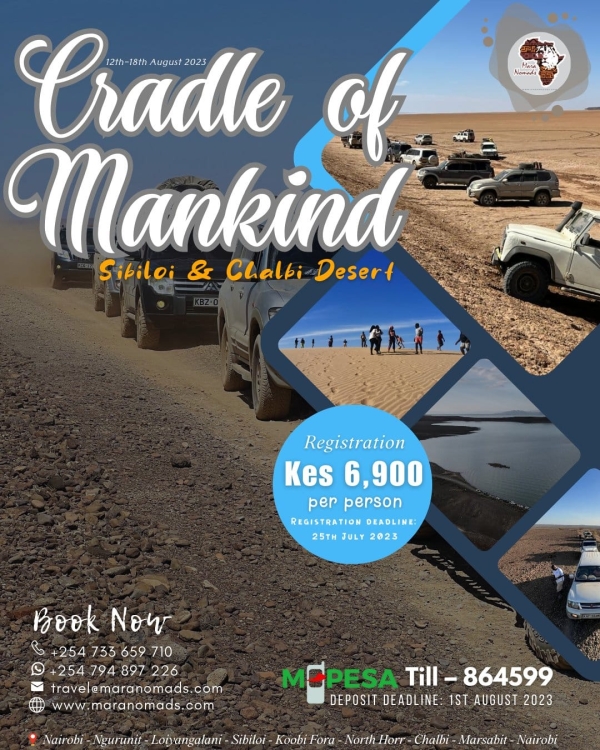
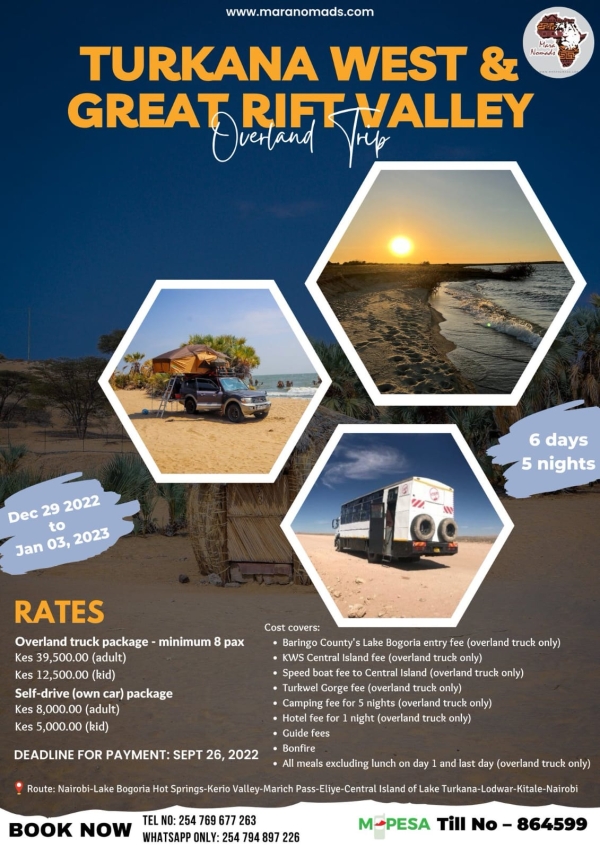
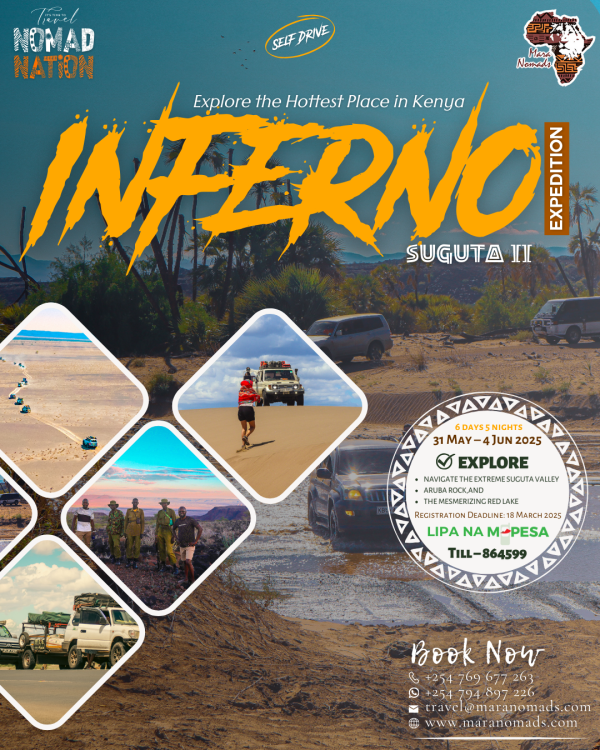
Turkana County is a harsh yet beautiful and wild area that is part desert, part arid, part rocky with sweltering heat, lunar landscapes, oases, and the vast alkaline Lake Turkana aka the “Jade Sea” – called so because of its turquoise hue. It is a land of ethereal beauty with ancient black lava flows, lonely hardy Acacia trees, inhabited by tough and proud but friendly warrior tribes with remarkable cultures.
Its vastness, its where the first humans in the world lived (hence its name “Cradle of Mankind”), its archaeological discoveries (2.3M years’ old tools), Central National Park (and its 3 famous crater lakes - lakes within a lake - Flamingo, Tilapia and Crocodile Lakes), the region’s ecology, birdlife, animals, the fragile ecosystem, Doum Palm trees, completely barren South Island National Park (Kenya’s least visited), the region’s ecology and fragile ecosystem, the beautiful sand dunes of Suguta Valley (the “Valley of Death”), Lake Logipi, the perfectly conical Nabiyotum Crater, Loiyangalani (“the place of Trees”) Village, Loiyangalani Desert Museum – Kenya’s only, Lake Turkana Cultural Festival – Loiyangalani.
Marsabit County which neighbours Turkana County is a kaleidoscope of experiences, from the harsh, hot Chalbi Desert to the lush green Marsabit rainforest. Marsabit means “Place of Cold” in the local language due to its thick and dense cloak rainforest. The Marsabit National Park was the home of the uber-famous Ahmed, the iconic elephant who had massive tusks and enjoyed 24-hour close protection ordered by the 1st President of Kenya.
The area’s absolute remoteness with many attractions unexplored, its surreal Parks - Sibiloi National Park, the impressive Petrified Forest, Koobi Fora Museum, Marsabit’s 3 craters (Gof Sokorte Diko Crater, Gof Sokorte Guda Crater, Gof Bongole Crater), Chalbi desert (Kenya’s only true desert), Mount Kulal (with a rain forest in the middle of the desert), and the 25km Rock Dune.
05:00 Assemble outside Transnational Bank opposite the Supreme Court on City Hall Way. Trip briefing and final checks 06:00 Departure to Ngurunit, Samburu via Nanyuki, Isiolo, Mt. Ololokwe, Laisamis, via the Great Northern Road, then finally to Marsabit Town, our overnight stop. (A109) 10.00 Very quick stopover at Equator Crossing Point in Nanyuki for obligatory photos. Strictly 15 minutes only. 10.15 Proceed to Cedar Mall for provisions, fuel and a very early lunch. Strictly 30 minutes only. 12.00 Very quick stop at Mt. Ololokwe for photos. Strictly 10 minutes only. 17:00 Arrive at Marsabit Town. 18:00 Team bonding, dinner and chill.
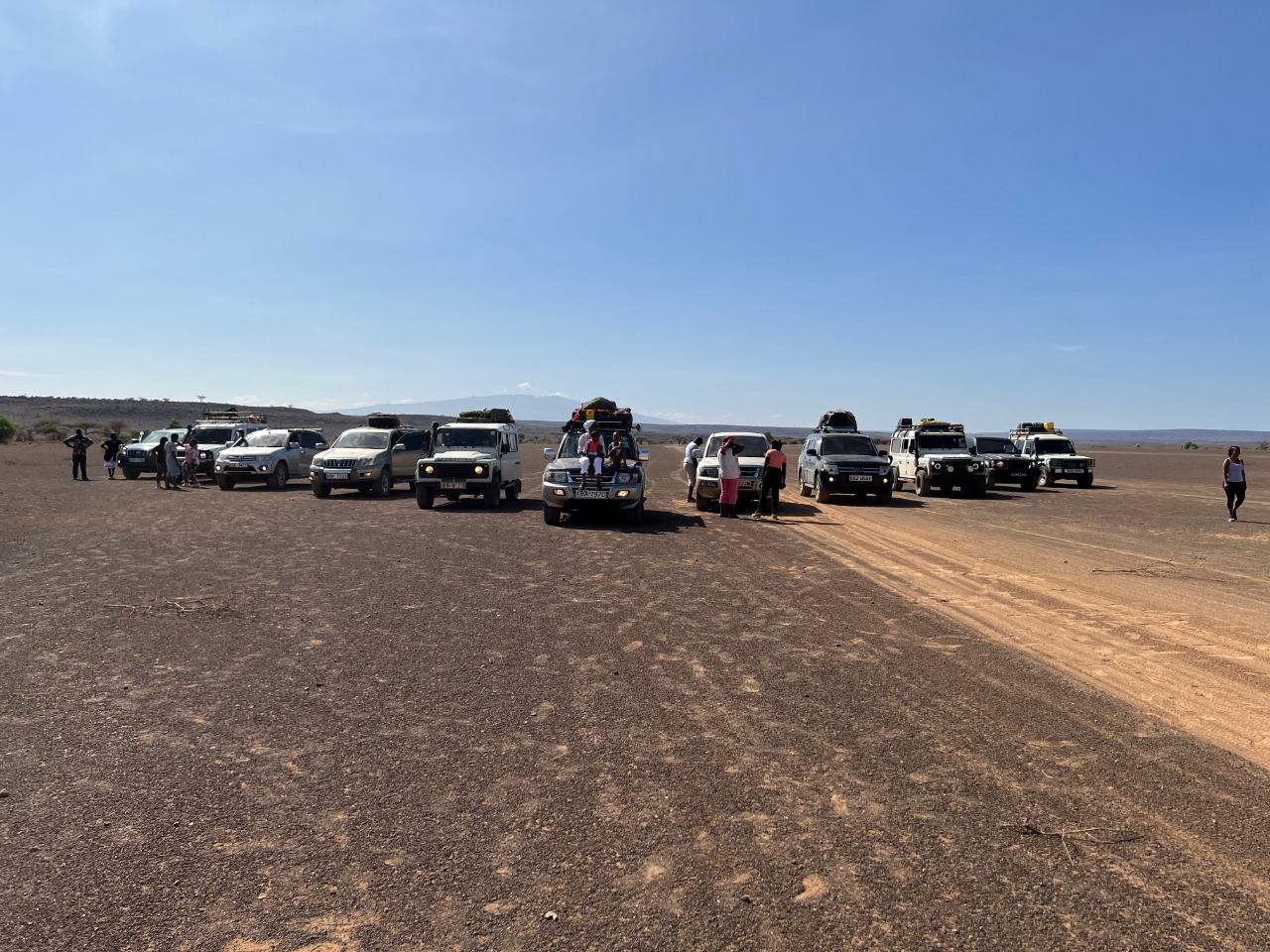
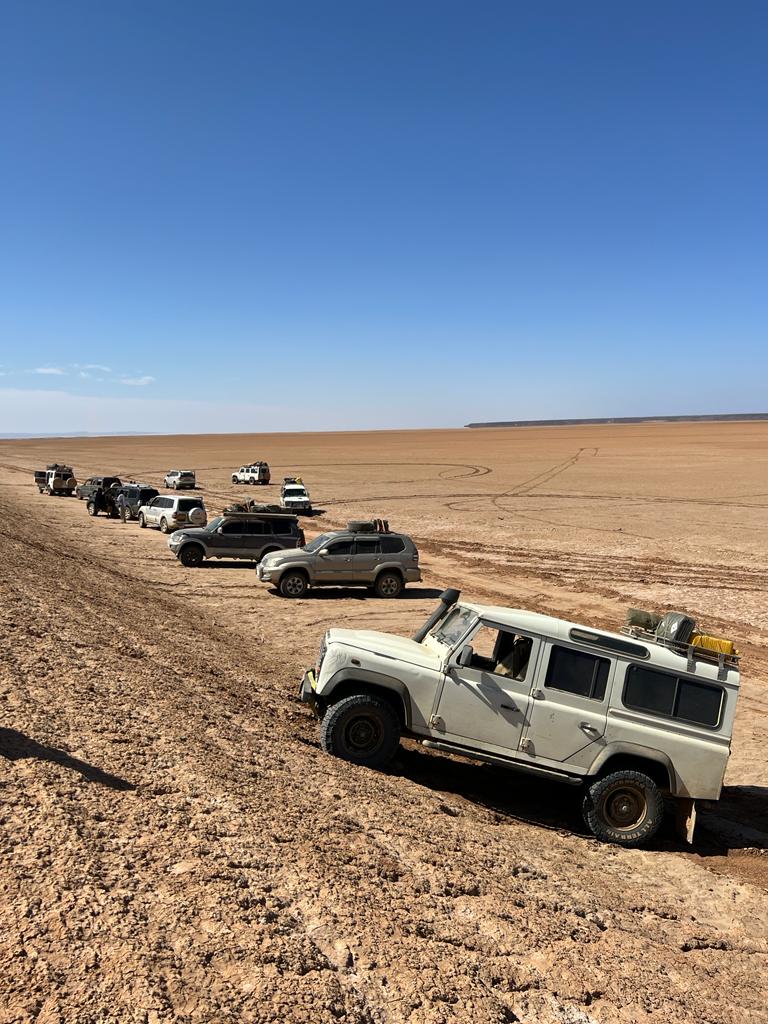
5.30 Wake up, pack, have breakfast and depart for Marsabit National Park. 7.00 Proceed into Marsabit National Park, the former home of “Ahmed the Elephant” arguably the greatest documented Tusker to ever live in Kenya. The contrast between Marsabit and where you are going to on Day 2 is just something else. You will have to experience it to know what we mean. 8.00 Proceed to Lake Paradise while enjoying a game drive en-route up Mt. Marsabit, after park entry formalities. 07:00 Wake up and pack in readiness for the journey back to the place we have all been waiting to visit, the Chalbi Desert, Kenya’s famous “desert” (Chalbi Desert is not a true desert but a faux desert that turns into a shallow salty lake when it rains and dries up to form a huge expanse of virtually empty land as far as eyes can see with white salty crust on top). 08.00 Final vehicle checks and fuelling from fuel jerrycans before hitting Chalbi Desert the following morning. 10.00 Convoy leaves Marsabit National Park for Marsabit to fuel and purchase the last provisions. Fill all fuel jerry cans. 10.30 Convoy departs Marsabit Town for Chalbi Desert. Air down where the tarmac ends, engage 4wd and lock hubs. 13.30 Arrive at Maikona as you proceed to enter Chalbi Desert. 14.00 Behold the Chalbi Desert, the surreal place that you have always wanted to visit and see, stop over for photos, and jubilations for those who have always wanted to visit Chalbi Desert. 14.30 Cross the Chalbi Desert to the Rock Dune, an eerie, arrow-straight, wall-like land feature that stretches for 8 km or more (everyone has their own measurements). Climb it (it's about 10 feet high), take photos and enjoy the panoramic views of Chalbi Desert from the top. 16.00 Proceed across the track on Chalbi Desert to Kalacha, buy a few provisions such as cold drinks, beer etc., then proceed to our overnight stop, campsite.
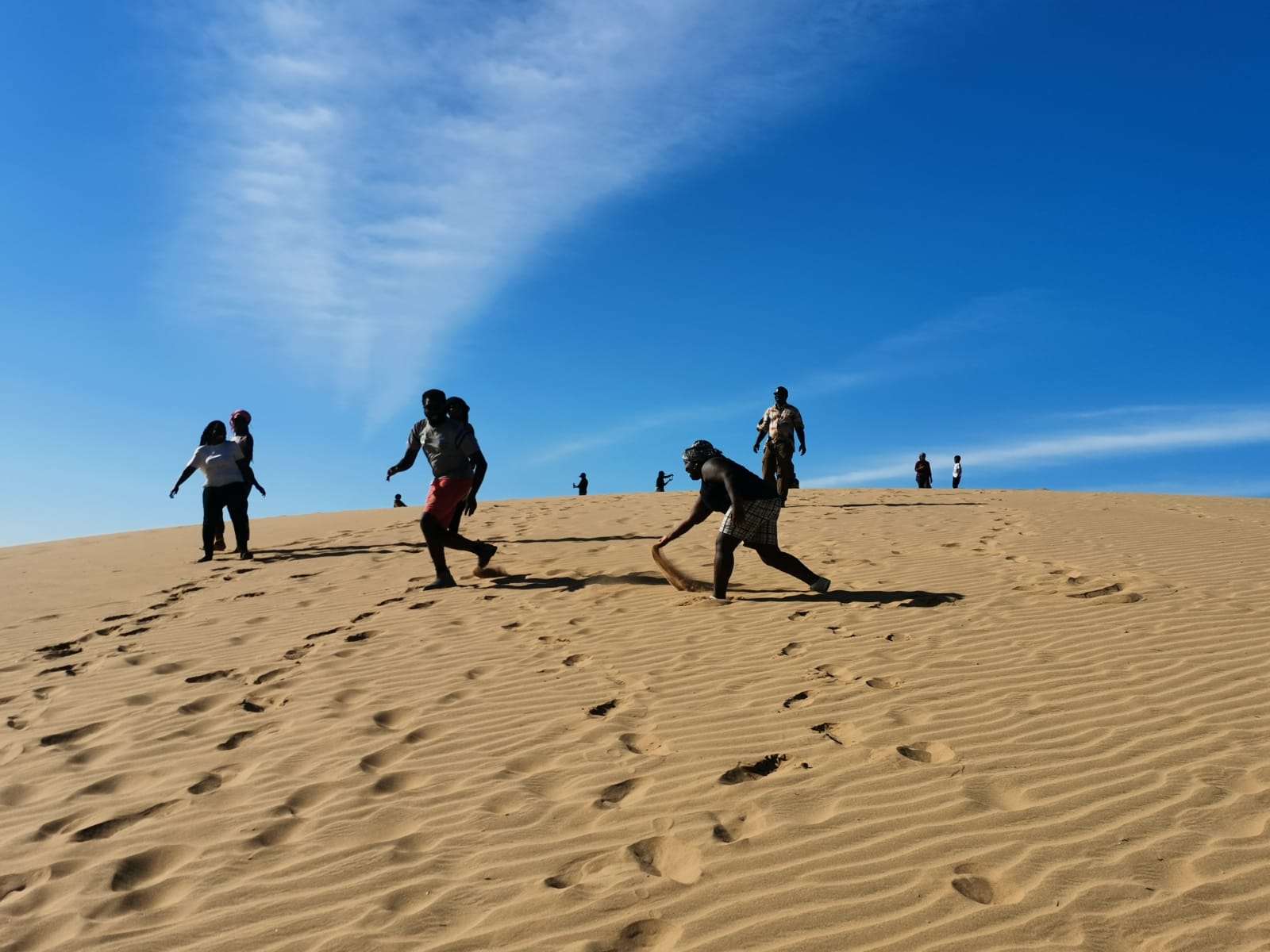
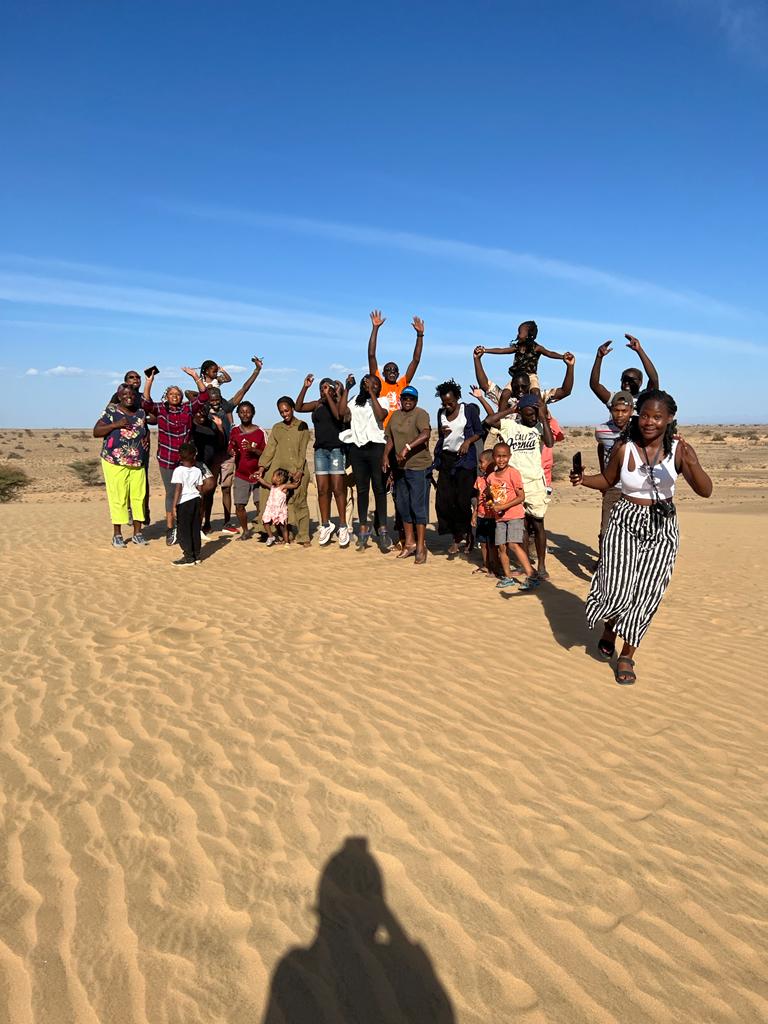
06:00 Wake up, have breakfast and pack in readiness for the journey to North Horr and Loiyangalani. Fuel up from the jerry cans and do final checks on the vehicles. 07.00 Break camp early in the morning while it’s still cool, bid Kalacha bye and leave for North Horr. Full speed to North Horr. 10.00 Arrive at North Horr, an inhabited oasis in Chalbi Desert area. Stop for fuelling and provisions (last shopping centre before Loiyangalani) then proceed to Loiyangalani. We shall make a small detour to the famous North Horr Sand Dune (it’s just one medium-sized sand dune – Suguta Valley is the home of sand dunes having many sand dunes like Dubai). Strictly 1 and half hours only. Then proceed with the journey. 12.00 Arrive at Loiyangalani, making a stop at the Desert Museum and Marti Rock Art point (these are located about a kilometre or two from Loiyangalani Town). Check out Lake Turkana which is just next to the Museum. 13.30 Proceed to Loiyangalani Town and to our overnight stop. 14.00 Set up camp under the cool shade of the Doum Palms of the Resort, enjoy a bath to relax the tired muscles and fatigued eyes of the drivers who have had to give full concentration to the winding, rocky North Horr track and wipe off the dust of the road. Food and cold drinks are available for those who don’t want to cook, and at your cost. 13.00 Chill under the shade at the resort and for the more energetic and adventurous, they can go to the lake for a swim or hire a boat for a trip to El Molo Bay and village (Covid-19 Protocols to be adhered to strictly to protect the smallest tribe in Kenya). Car checks are to be made in the evening before the arduous journey to Ngurunit the following day. 19.00 Place an order for any packed food, and for breakfast for the trip to Ngurunit.
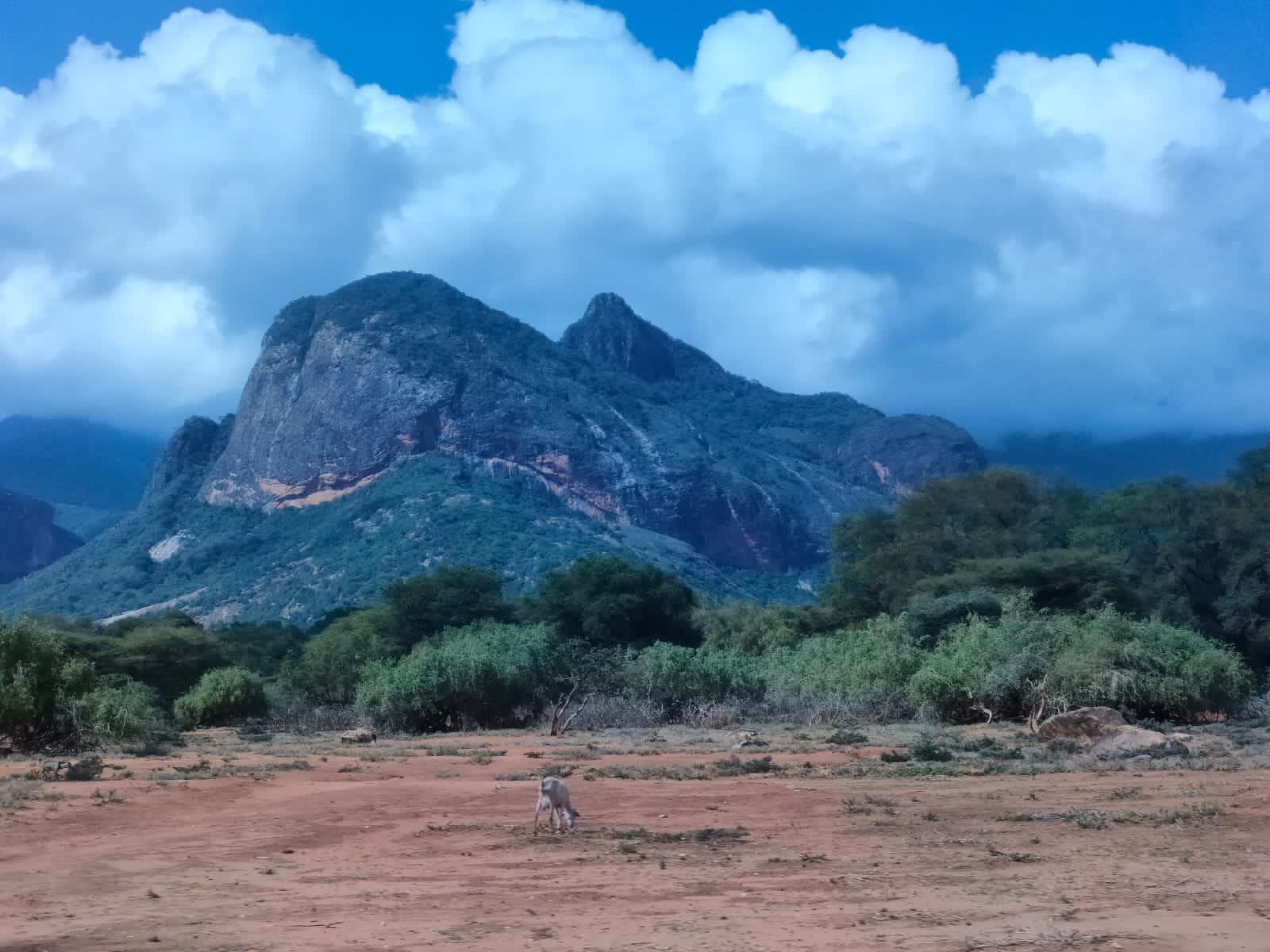
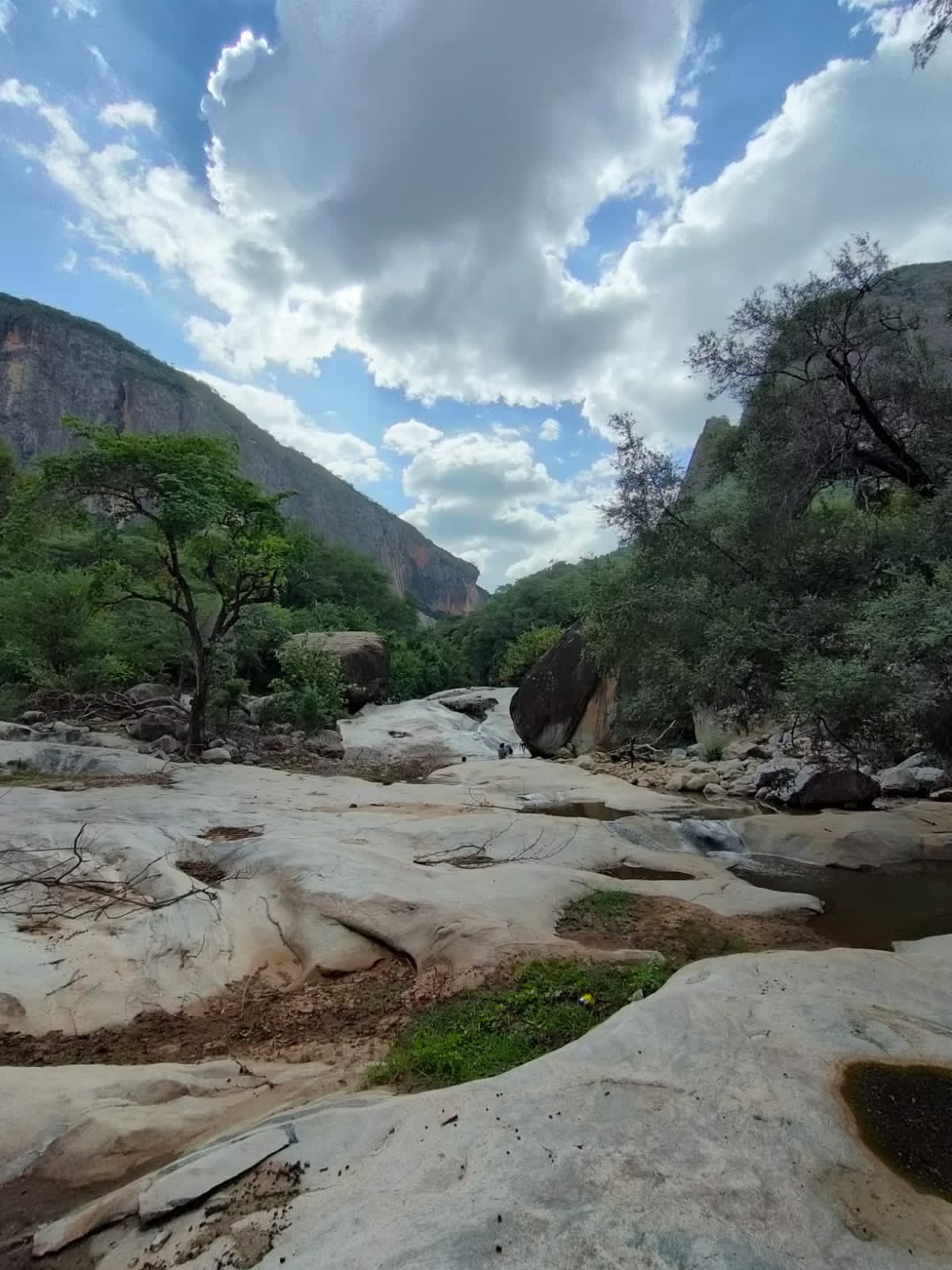
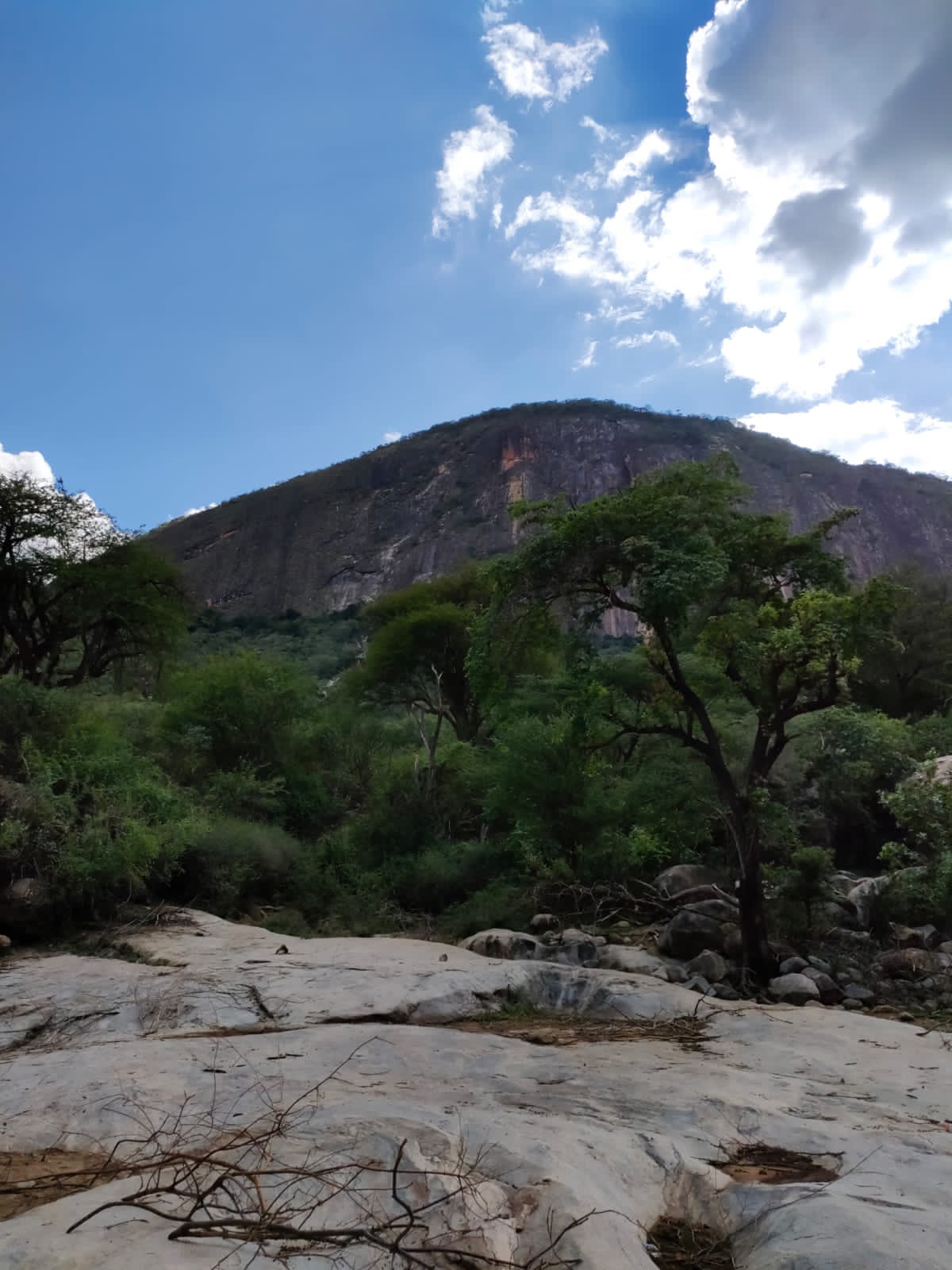
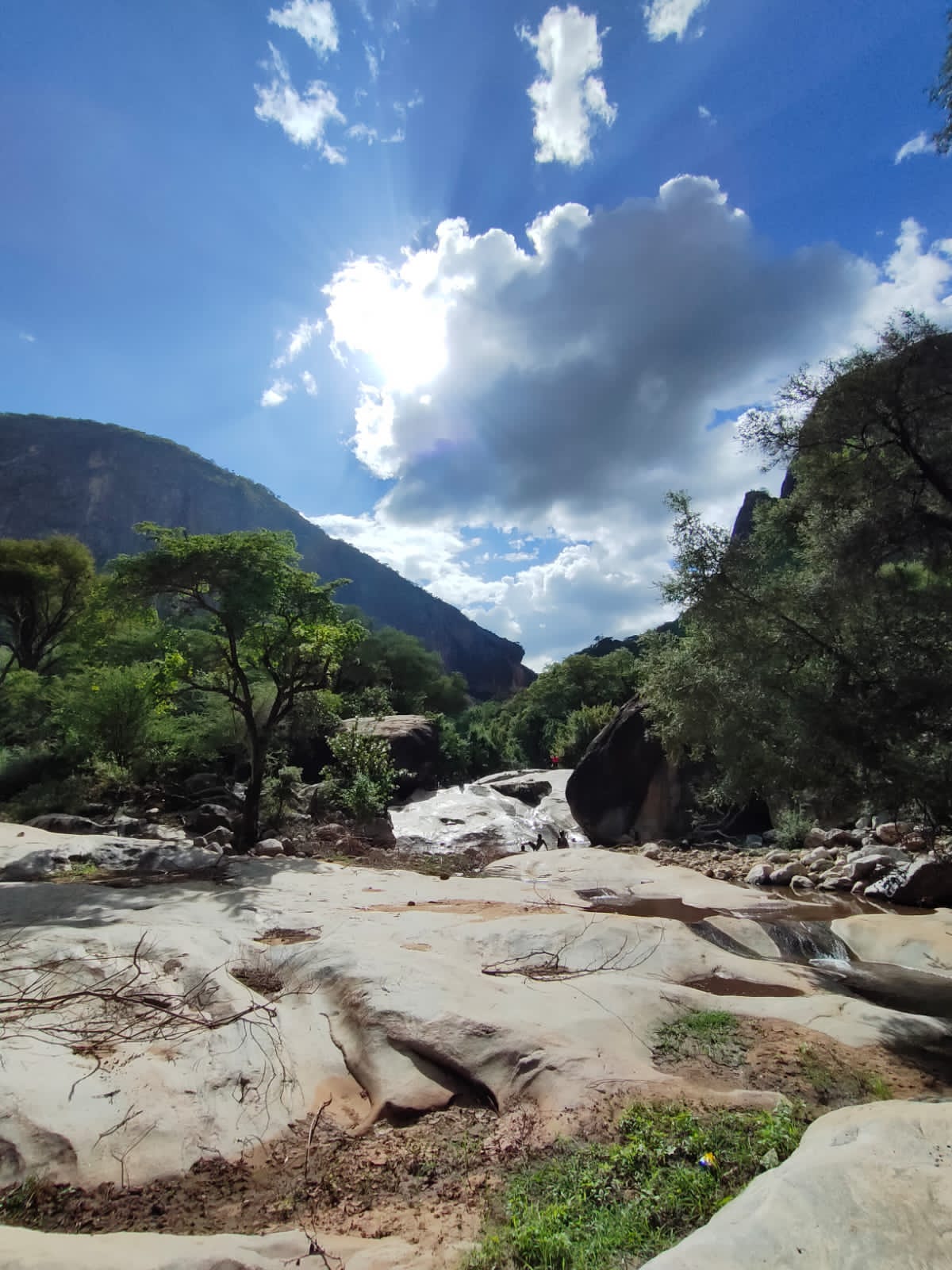
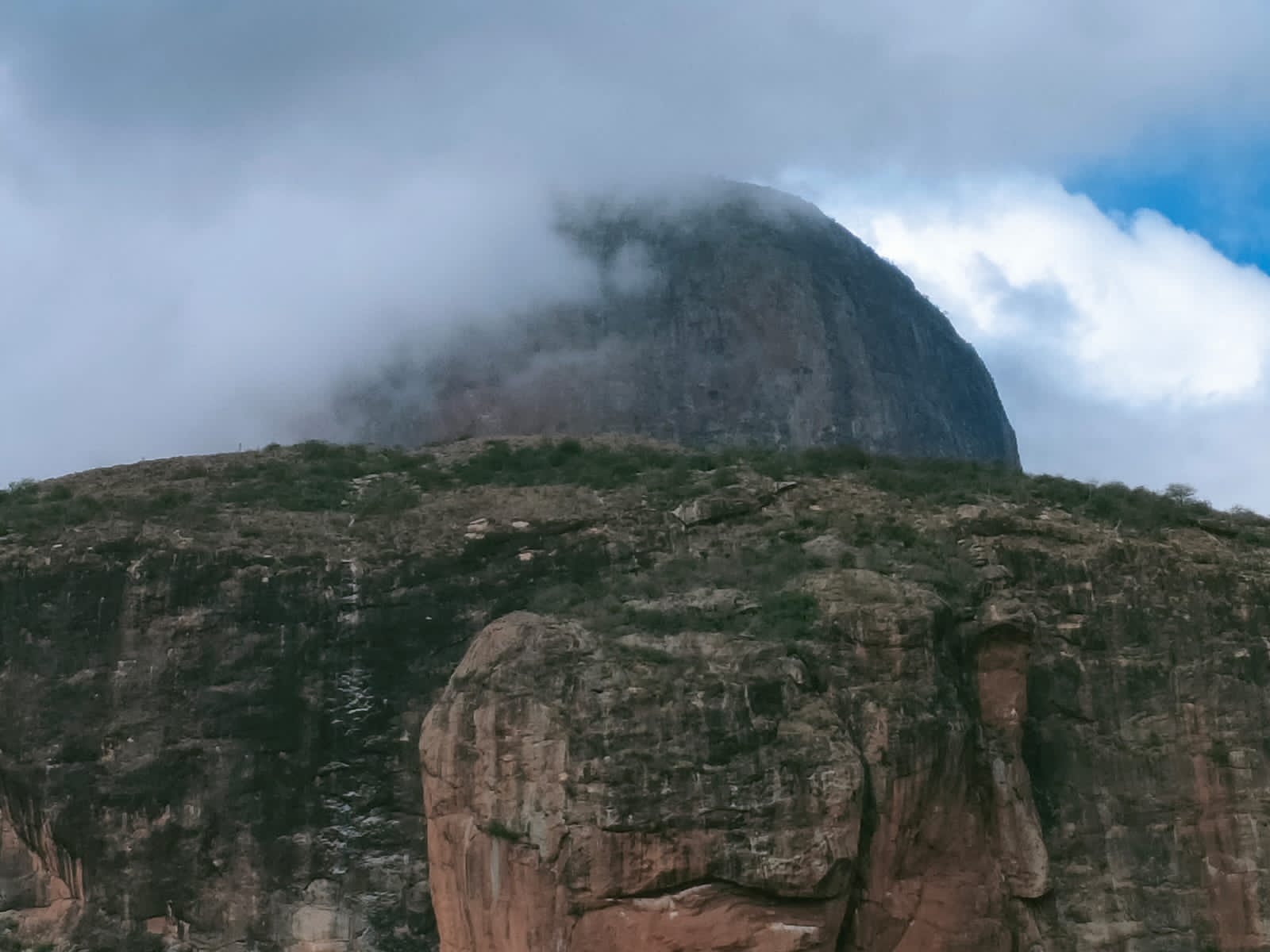
06:00 Wake up, pack and take breakfast and leave the Loiyangalani for Ngurunit. 8:30 Catch your last sight of the jade-coloured waters of awesome Lake Turkana (aka the Jade Sea) and South Island National Park in the middle of the lake. 9.00 Then pass-through acres and acres of bare rock-strewn, alien-like landscape with so many black lava rocks, boulders and stones as far as the eyes can see (aka “the Devil’s Garden”). 10.00 Stopover at Loiyangalani Wind Power Station for fuelling and vehicle check-up. Fill up the fuel jerry cans. The sight of hundreds and hundreds of huge wind power turbines is a sight to behold. Two stops allowed. One for photos and the other for fuelling. Strictly 45 minutes only. 11.30 Pass through South Horr. 13.00 Enjoy views of Mt. Poi, rock climbers' heaven and the highest peak of Ndoto Mountains as you approach Ngurunit. 14.00 Arrive at Ngurunit and proceed straight to the Ngurunit Water Slides for the water ride for your life as you enjoy the cool, clear mountain springs water, sliding down smooth rocks using your bare bottoms. Carry swimming gear. 16.00 Come back to the campsite, unpack, set up and enjoy a bonfire and dinner. 19.00 Set up camp, a bonfire will be lit up and drinks will flow as brothers and sisters exchange banter and congratulate each other for tackling and finishing one of the toughest trips they have ever attempted. 18.00 Dinner and stories by the campfire.
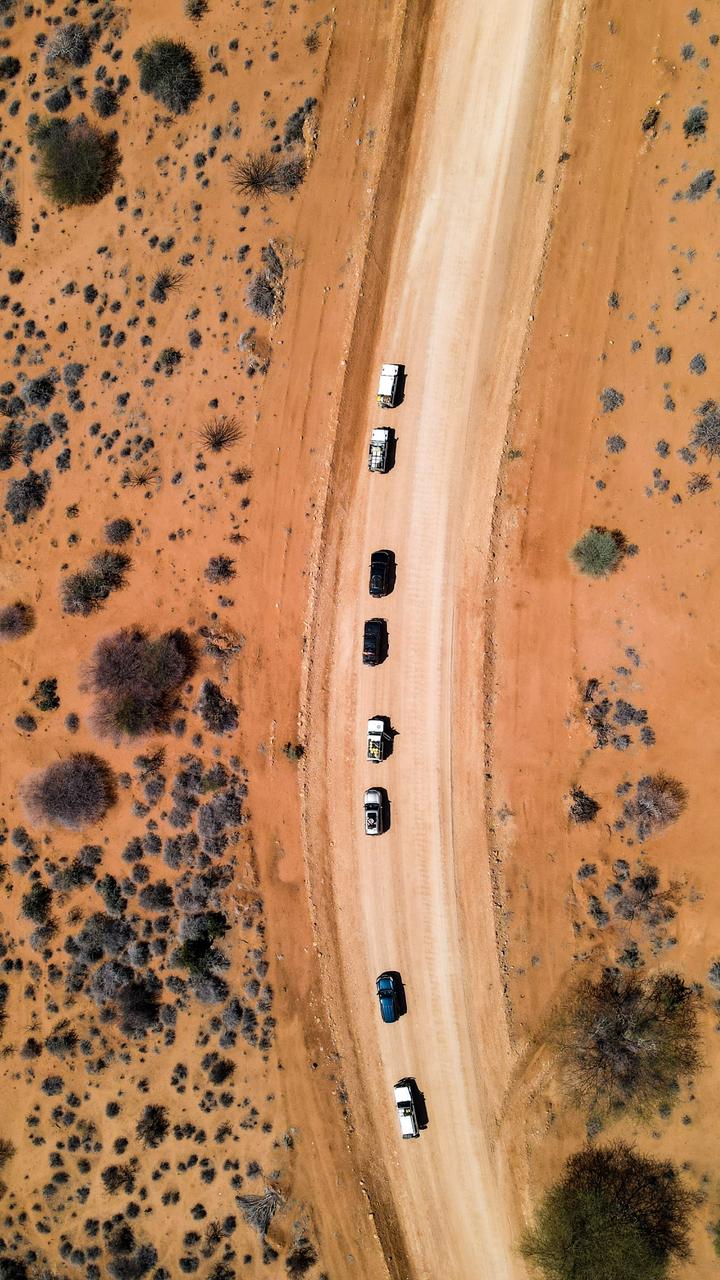
06:00 Wake up, breakfast and pack in readiness for the journey back home. Take this opportunity to fuel up from the cars with fuel from the jerry cans and check your car before the off-road journey to Laisamis and tarmac back to Nairobi the following morning. This journey will take you through Kasuit Desert. 08.00 Convoy departs Ngurunit for Nairobi while you reminisce the highlights of the trip, and marvel at how you made it to the toughest region in Kenya and back. 10.00 Arrive at the tarmac at Laisamis. Air up for the trip back. 14.00 Quick stopover for lunch at Nanyuki Mall. 30 minutes only. 18.00 Arrive in Nairobi.
The the group tour ends on the 5th day from the start day and at Marsabit or Nanyuki - basically, guys will be free to depart to their various destinations back on the 5th day.
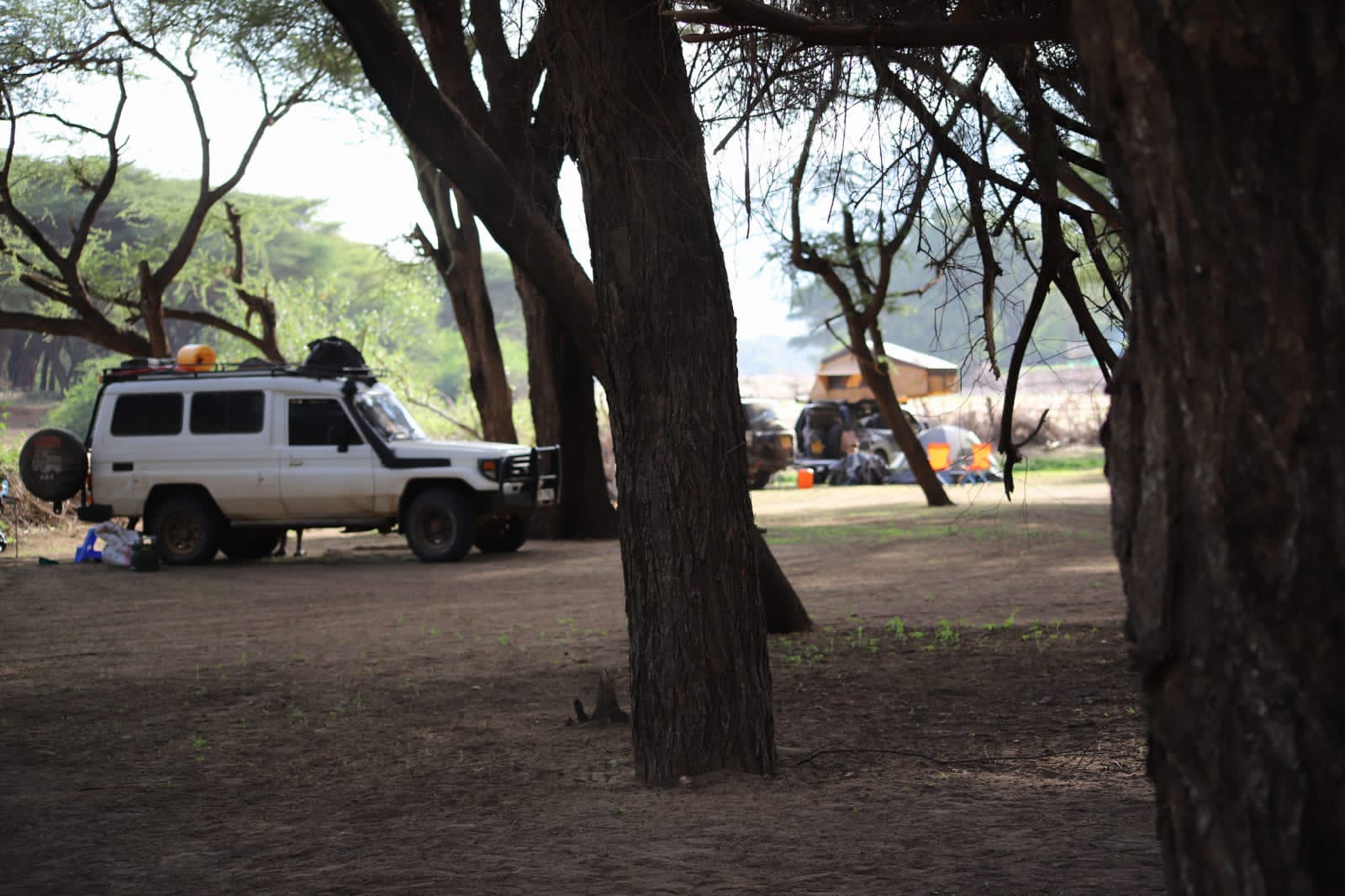
Except for those taking the Land Cruiser option, this is a self-catering trip and clients will be staying at KWS and privately-owned campsites. Therefore camping gear will be required. All the campsites have facilities like toilets, showers and water, so they should be relatively comfortable. Carry drinking water (minimum 4 litres of water per person per day), and cooking equipment. A more detailed list will be provided. For those taking the Land Cruiser (All-Inclusive) option, food and water will be provided. But they will be required to come with their tents, sleeping bags and mattresses.
If you do not have camping equipment such as tents, sleeping bags and mattresses, worry not, we can hire them to you at very affordable rates, that is, tent hire (Kes 600.00), camping mattress hire (Kes 300.00) and sleeping bag hire (Kes 400.00) per day. However, you need to inform us early in order to book them for you and pay a deposit at least 2 weeks before the group tour.
Good quality camping gear can be purchased cheaply from the ✅ Game stores, ✅Carrefour, ✅www.decathlon.co.ke; ✅https://safarioutfitterske.com/; ✅https://www.mustek.co.ke/; ✅https://www.builders.co.ke/Outdoor/Camping/c/Camping; ✅Jiji - https://jiji.co.ke/ (for Jiji, exercise caution – pay only after delivery and confirmation that the goods are in good shape and genuine) amongst others.
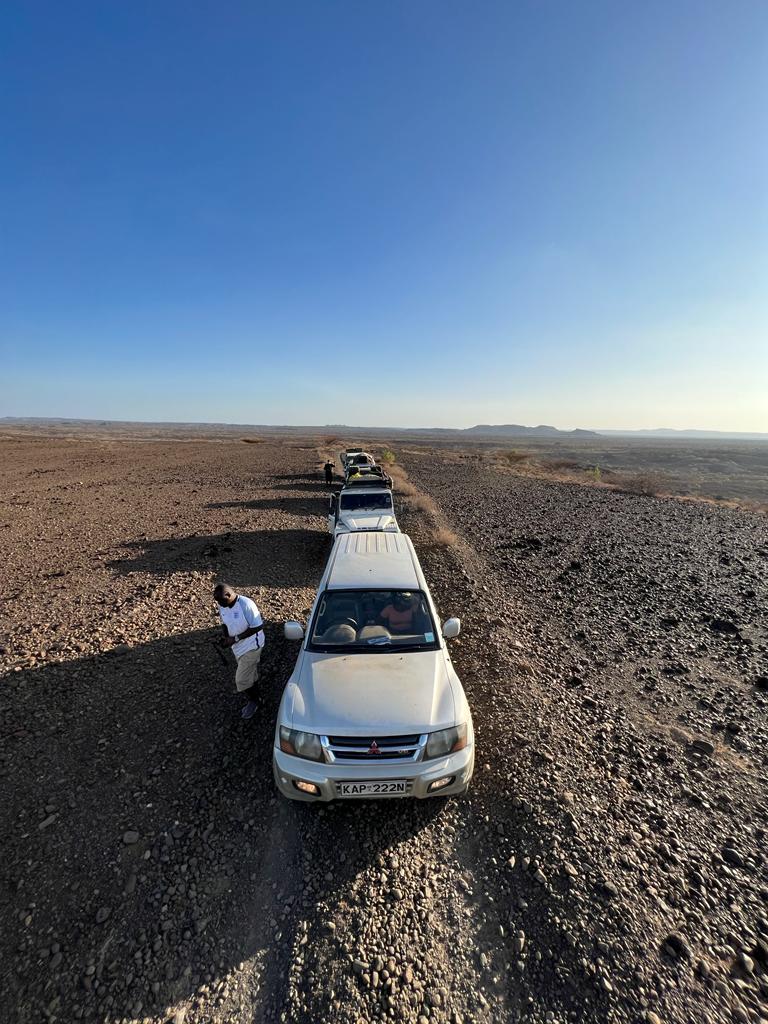
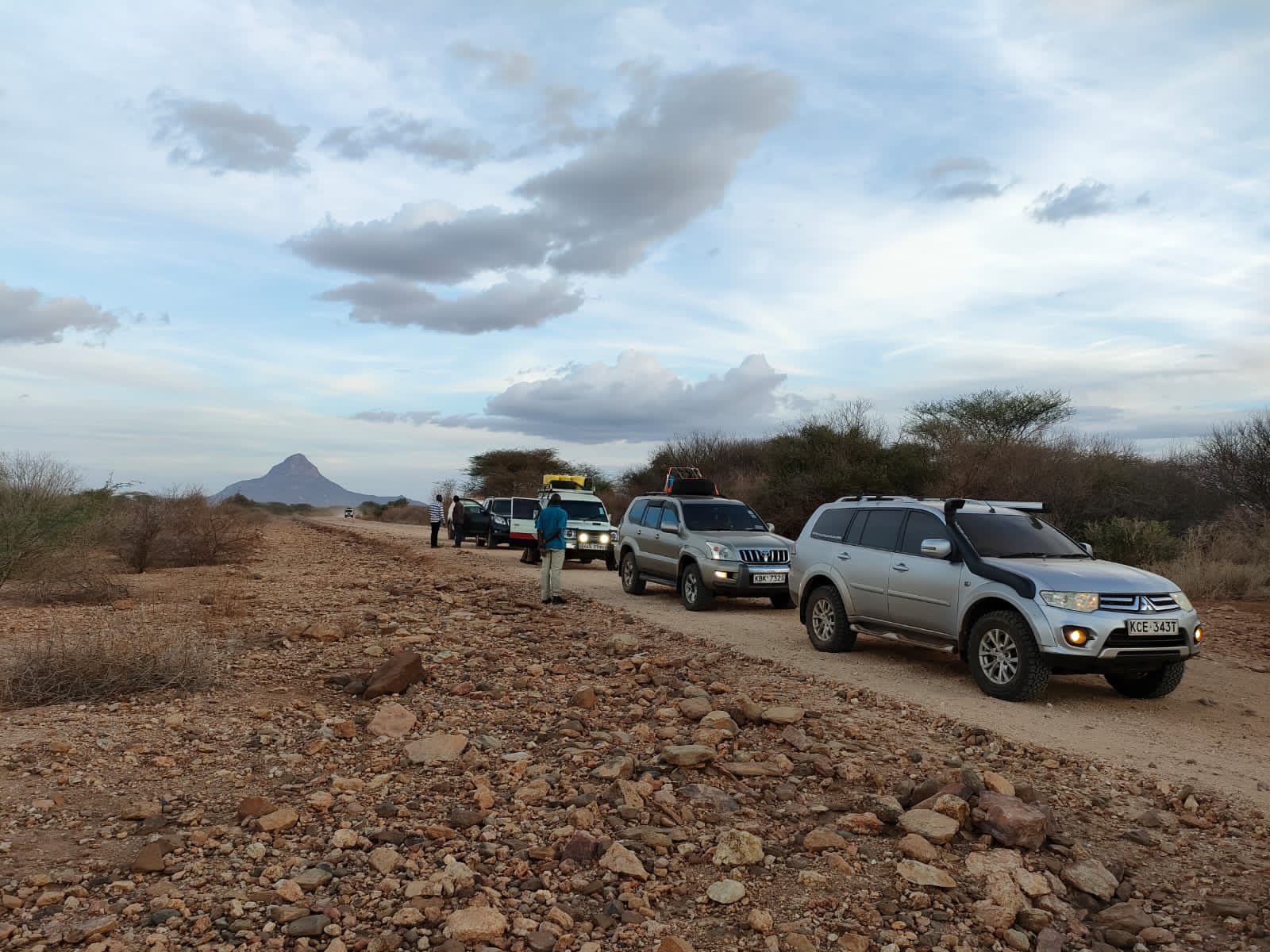
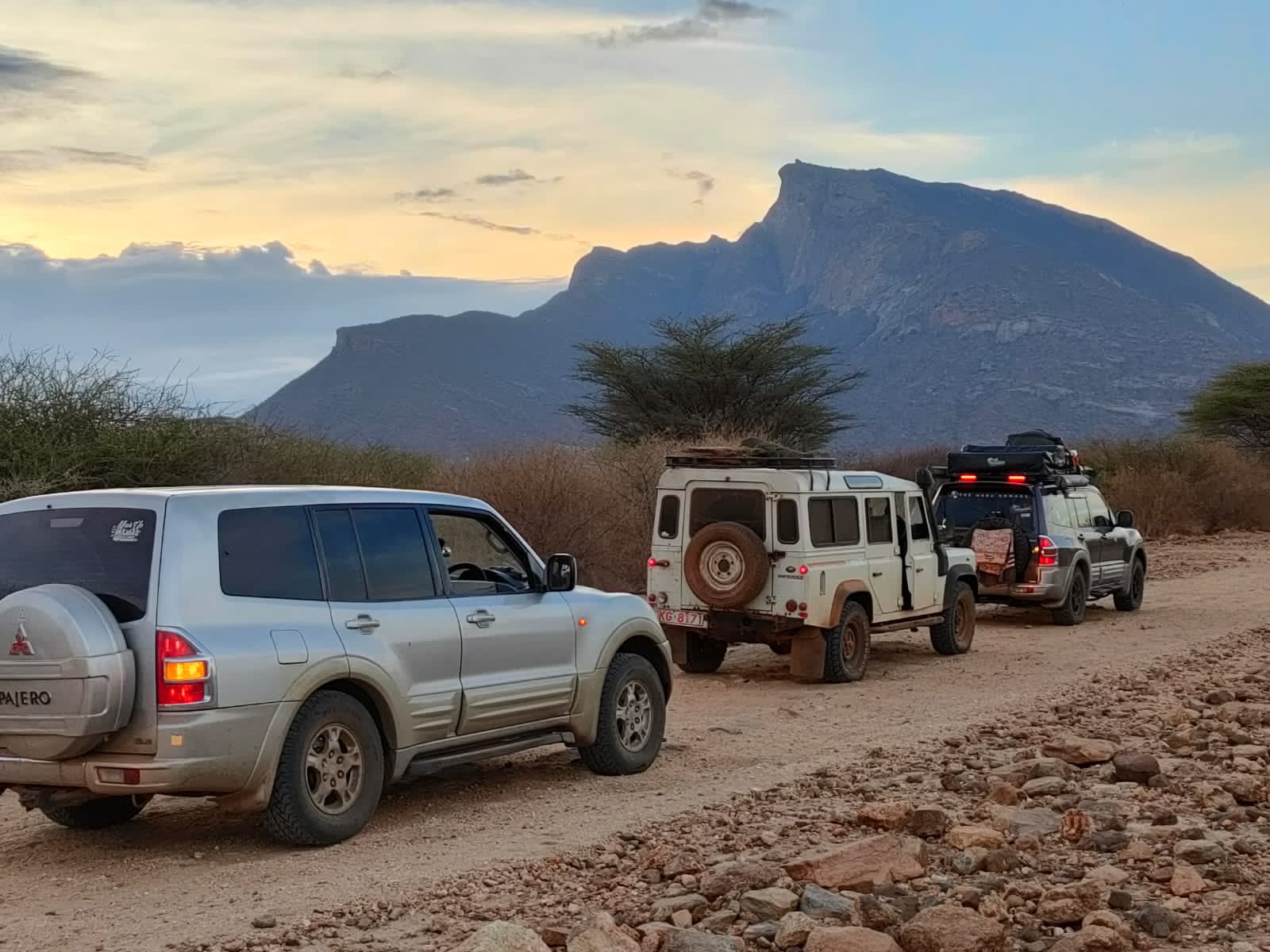
✅Every car is expected to have its recovery gear (🔹good quality tow rope, 🔹D-shackles, 🔹wheel jack,🔹 LOCK NUT SOCKET) and 🔹spare parts applicable to it. ✅You can buy recovery gear from 🔹https://safarioutfitterske.com/; 🔹https://www.mustek.co.ke/; and 🔹at Ngara (that is, Nyayo Market, behind Equity Bank - Ngara Branch). Buy spare parts in the list provided from your usual spare parts supplier. ✅Carry 2 fuel jerry cans (that is to say, have at minimum 40 litres of extra fuel) ✅Carry 2 water jerry cans (to carry extra clean drinking water). ✅Carry an icebox (an electric icebox is ideal since a normal icebox with ice will melt very quickly) or a fridge.
✅Service your AC in good time especially if you intend to travel with kids. The region is very hot and dusty with highs of up to 40 degrees Celsius in some places and if you keep your windows open while travelling in a convoy, a lot of the dust will get inside. ✅Tire tread should be at a minimum of 80% tread depth to prevent punctures. Or carry 2 spares if your tire tread depth is below (xxx) tread depth. Newer tires are much less likely to get punctured or torn and you will only need one spare if your tires are newer. The roads have many washouts, dry river crossings, corrugations, gravel and small stones plus the extra weight of passengers, water, fuel etc. that can lead to tires being placed under great stress and more likelihood of punctures. ✅A good suspension system (which includes shocks and coil springs) will keep the vehicles well balanced on the tough Northern Kenya Roads with their extra loads. ⛔ Use our vehicle preparation checklist to prepare yourself.
